Nuclear power in the EU has fallen out of fashion
Nuclear is more prone to popularity peaks and troughs than many other energy sources, and it’s not looking good at the moment
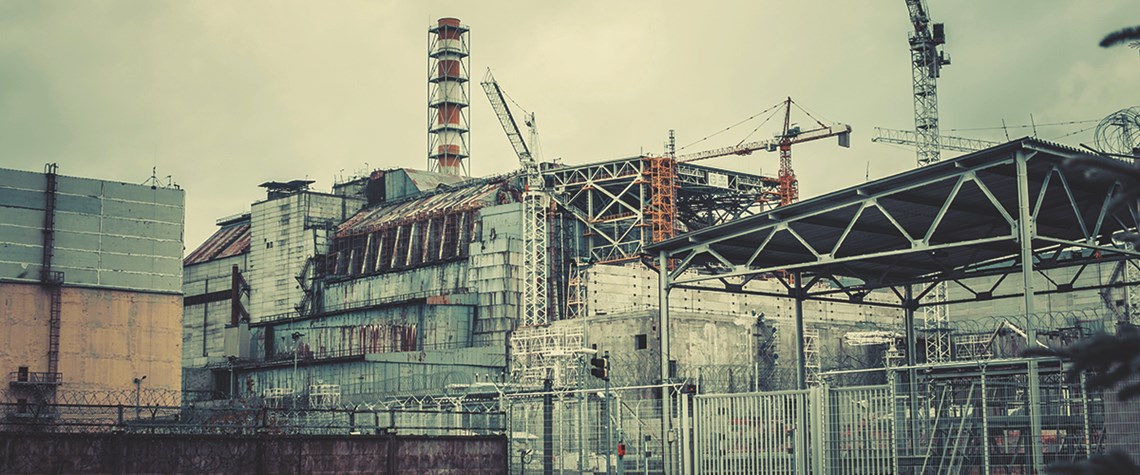
THIRTY years after the Chernobyl disaster, nuclear power is still a core part of European energy generation. But questionable economics, insufficient state support and – in many countries – public hostility are likely to diminish its role in the coming years. Long construction times, safety risks, complex permitting and licensing procedures as well as significant clean-up costs add to the burden for developers. For now, by virtue of historical momentum, nuclear power remains a fundamental element of the European energy mix. It accounts for more than a quarter of the EU’s electricity supply and a higher share of its baseload power capacity. Half of the 28 EU states have nuclear reactors – a c

Also in this section
1 April 2026
Emerging industry must work with policymakers to convince a broader pool of investors to buy into its long-term potential
12 March 2026
Role of world’s largest carbon cap-and-trade market under scrutiny as war in Iran threatens to drive EU energy costs to unsustainable levels
10 March 2026
Europe urgently needs to bring more projects to FID, as CCS investors warn they might divert capital to faster-growing regions
9 January 2026
A shift in perspective is needed on the carbon challenge, the success of which will determine the speed and extent of emissions cuts and how industries adapt to the new environment