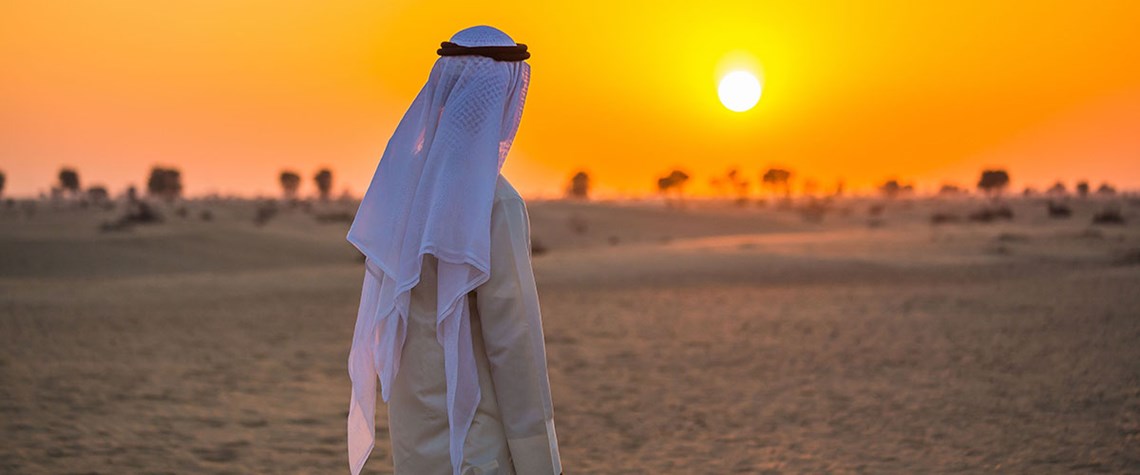
A greener Gulf
Blessed with sunshine and wind as abundant as its oil and gas, the region is starting to plot a cleaner post-oil future
Energy leaders in the Middle East were listening when Shell warned in 1991 that climate change was happening faster than at any time since the end of the ice age. But the volume was not turned up high enough. A little over a decade later, rising oil prices and a booming industry meant that doors in the global corridors of power were largely closed to environmentalists' warnings. The Gulf's carbon footprint, exacerbated by generous fuel and energy subsidies, soared. Things are changing—right at the heart of the oil world. Saudi Arabia and the UAE, both core Opec members, have earmarked $50bn and $163bn for spending on greener energy by 2023 and 2050, respectively. The eco-friendly tone of Gul

Also in this section
1 April 2026
Emerging industry must work with policymakers to convince a broader pool of investors to buy into its long-term potential
12 March 2026
Role of world’s largest carbon cap-and-trade market under scrutiny as war in Iran threatens to drive EU energy costs to unsustainable levels
10 March 2026
Europe urgently needs to bring more projects to FID, as CCS investors warn they might divert capital to faster-growing regions
9 January 2026
A shift in perspective is needed on the carbon challenge, the success of which will determine the speed and extent of emissions cuts and how industries adapt to the new environment