Total and the logic for net-zero
The French major commits to a target out of fear of being overlooked by investors
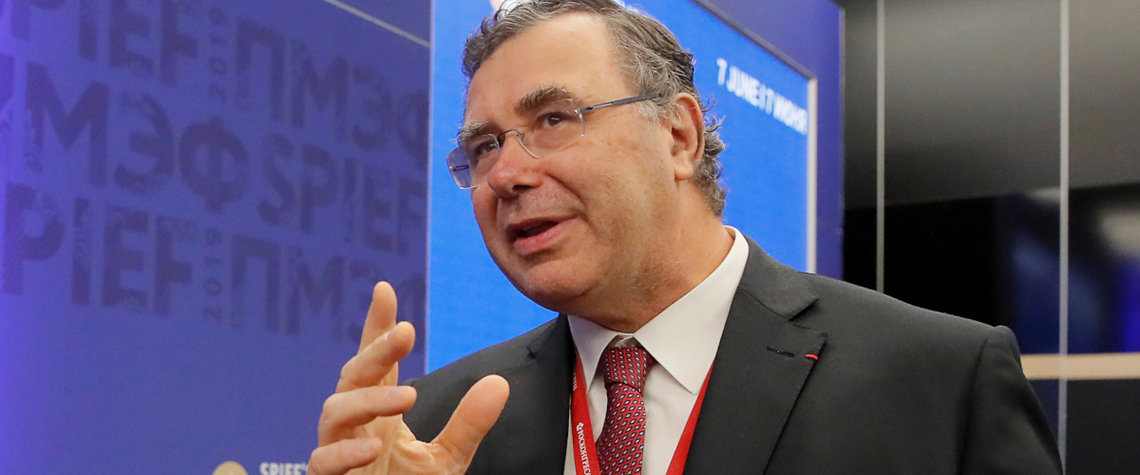
Total became in May the latest large oil and gas firm to commit to a net-zero by 2050 target. And CEO Patrick Pouyanne is remarkably candid about the reasoning behind it. There was a “disconnect” between what Total had been doing “leading the pack” in lowering its carbon footprint—its carbon intensity has fallen by what it says is a peer-leading 6pc since 2015—and its 2030, 2035 and 2040 targets and being seen as a “laggard” by increasingly ESG-conscious investors for not having a 2050 net-zero commitment, says Pouyanne. The firm has thus far committed to being carbon-neutral in its Scope 1 and 2 emissions—i.e. those coming from its own production, refining and marketing—amounting to 45

Also in this section
1 April 2026
Emerging industry must work with policymakers to convince a broader pool of investors to buy into its long-term potential
12 March 2026
Role of world’s largest carbon cap-and-trade market under scrutiny as war in Iran threatens to drive EU energy costs to unsustainable levels
10 March 2026
Europe urgently needs to bring more projects to FID, as CCS investors warn they might divert capital to faster-growing regions
9 January 2026
A shift in perspective is needed on the carbon challenge, the success of which will determine the speed and extent of emissions cuts and how industries adapt to the new environment