



How do you see the balance between traditional and low-carbon sources of energy evolving over the next ten years, globally?
Abdullah Aljarboua: Between now and 2035, global energy demand will keep rising, with oil and natural gas continuing to grow, while coal use declines as lower-emission sources expand. Electricity demand will grow faster than total energy demand, driven by EVs, cooling and datacentres. In 2024, datacentres consumed about 415TWh of electricity, roughly 1.5% of global demand, and according to the IEA, that demand could double by 2026. AI is particularly energy-intensive, which reinforces the need for more sustainable and efficient power solutions
What are the economic implications of this changing balance between traditional and low-carbon sources of energy for oil and gas producers in the Gulf region?
AA: Low lifting costs and spare capacity mean Gulf producers will likely retain a strategic advantage in oil and gas markets. They have a comfortable level of supply of crude with relatively low carbon intensity (for example, approximately 8-12kg CO₂/boe), which will orientate their strategy towards keeping the markets supplied whilst simultaneously further decarbonising production by electrifying some of the processes, or introducing new technologies to reduce emissions. Macro-economically, growth in the Gulf region will be increasingly driven by diversification, as governments channel investment into new industries and downstream parts of the oil sector. While hydrocarbons will remain the fiscal backbone, global energy transition can influence oil demand and price volatility, which makes diversification essential for sustaining growth and resilience. One of the strategic goals for Saudi Arabia as part of its Vision 2030 is a diversification away from economic dependency on oil revenues.
What low carbon technologies are the best areas of investment for NOCs and IOCs to sit alongside their traditional operations?
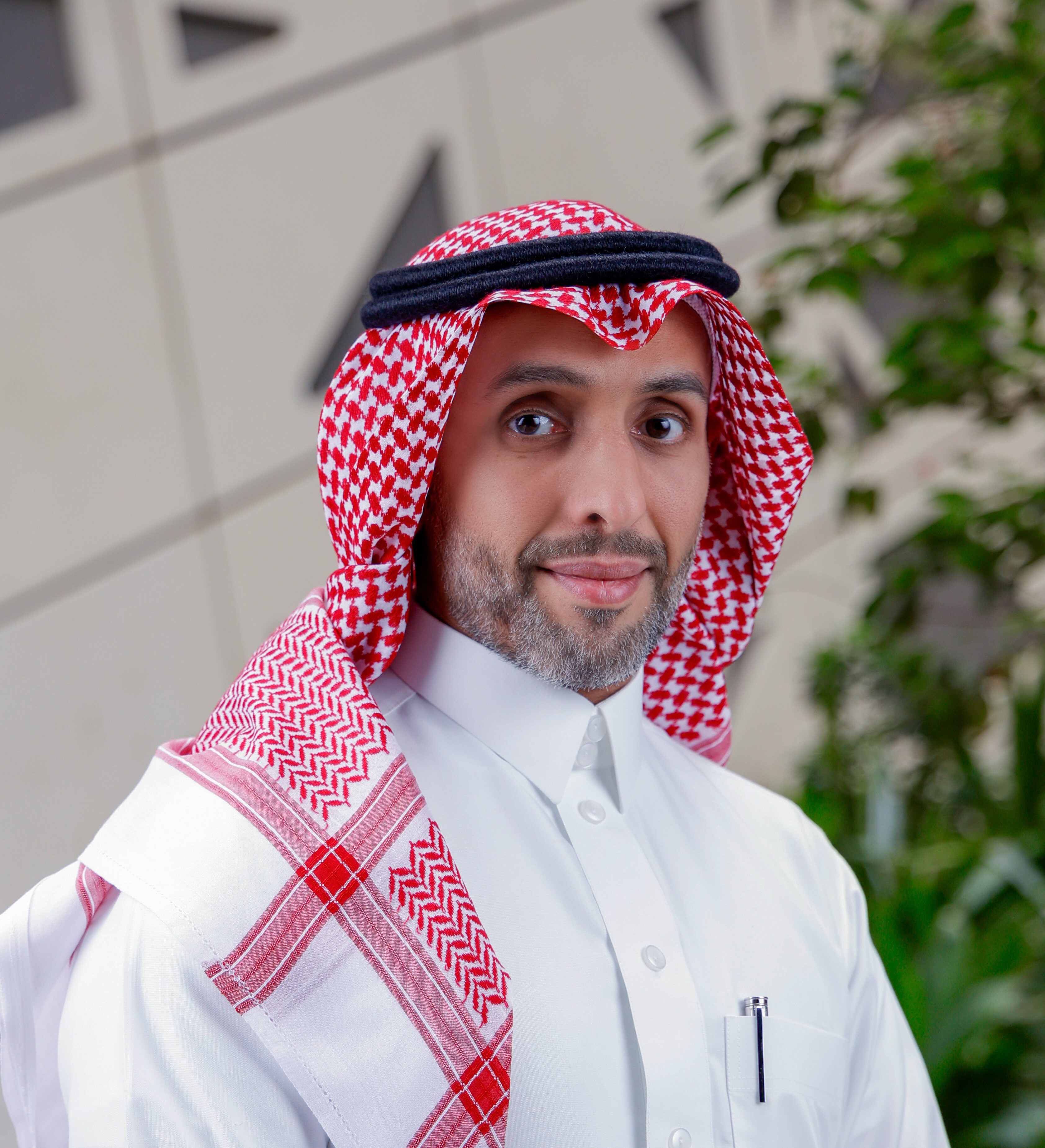
AA: Methane abatement tends to be the fastest, cheapest win. Roughly 40% of oil and gas methane emissions can be cut at no net cost with today’s technology, and potentially more with advancements in technology. CCUS hubs and CO₂ transport and storage project pipelines are expanding, with installed capture capacity on track to double to over 100mt/yr globally. Blue hydrogen can leverage existing natural gas value chains, and we saw Aramco shipping its first blue ammonia cargo to Japan in 2020. FIDs for electrolyser-based green hydrogen projects doubled in 2024, and some major projects such as Neom are demonstrating how to secure off-taker demand, which can be challenging. Meanwhile, the electrification of operations to reduce scope one and scope two emissions is already a key plank in the decarbonisation roadmaps of many national oil companies with Equinor and Saudi Aramco leading the charge.
How can the energy industry balance global collaboration with rising energy nationalism and trade barriers?
AA: Balancing collaboration with national interests requires building partnerships that respect domestic priorities while expanding cross-border opportunities. There are several practical levers for this. Reducing the carbon footprint of energy-intensive exports through investment in green hydrogen, CCUS and electrification will enable the Gulf region to establish bilateral ‘green corridors’ with key trading partners. Supply chain diversification, such as co-investment in critical minerals, clean-tech manufacturing and low-carbon logistics, will help de-risk the global clean energy build-out. Pro-trade climate clubs can also integrate supply chains across companies and countries, advancing trade, investment, technology transfer, and energy security while delivering climate mitigation outcomes that are in line with the WTO’s call for reglobalisation.
How do you see the role of AI and advanced analytics in optimising energy operations and policymaking?
AA: AI is already compressing exploration cycle times in oil and gas production through drilling optimisation, predictive maintenance, leak detection and improved power system forecasting. On the policy side, it will enable faster scenario analysis and tariff design with real-time data. Nations need to plan for the system effects too. AI-driven datacentre power demand will increasingly shape the power sector—making grid planning, flexibility markets and clean power procurement even more critical. At KAPSARC, we are already using AI to advance our analytics and bottom-up energy models to see how AI can help in terms of policymaking, forecasting and planning—not just for the mid-term but also for the long-term.
What leadership lessons from your career at KAPSARC and the WPC Energy Congress would you share with the next generation of energy leaders?
AA: I have worked at KAPSARC since 2018, and it has taught me the value of integrating technical modelling with policy dialogue—effectively turning good economic modelling into actionable insights for decision-makers. Meanwhile, the WPC Energy Congress has taught me two core truths: we need to meet energy security today while building the low-carbon system of tomorrow. I’ve also learned to measure what matters—insist on measurement, reporting and verification (MRV)-grade emissions data and tie it to capital allocation. Pair technical pilots with bankable off-take, and convene buyers, shippers and regulators early.
What is your vision of the global energy landscape by 2040, and what role do you see for the Gulf region in that future?
AA: Competing scenarios underscore the uncertainty around this. Projections range from rapid clean energy gains and slower oil demand growth to more robust long-term demand for hydrocarbons. Resilience means preparing for both possibilities. I think it’s most likely that by 2040 we will be in a more electrified system with a much larger share of renewables and greater flexibility needs, while hydrocarbon liquids and gases still play a key role in transportation, heavy industry and petrochemicals.
The Gulf region’s role is to supply the world’s lowest-cost, lowest carbon-intensity barrels and molecules, expand CCUS hubs and hydrogen and ammonia value chains, and export clean power know-how born from giga-scale solar and grid interconnections. The Saudi Arabian Vision 2030 aims to have 50% capacity renewables in the power sector and 50% natural gas capacity, which will help build this knowledge base.



Comments