


Russia and coal to set European tone
Gazprom's market share ambitions and the price at which power plant demand soaks up supply are 2019's key questions
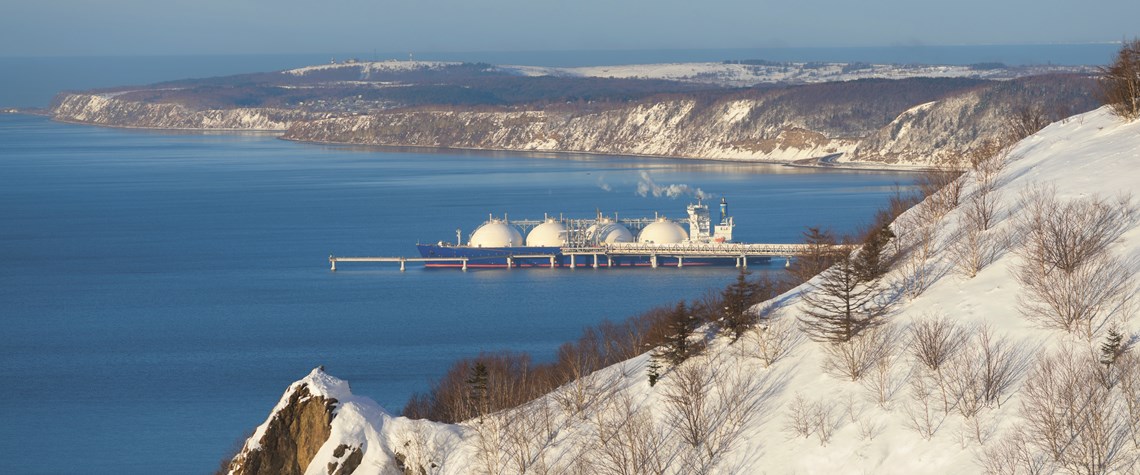
European gas prices moved substantially lower in the fourth quarter of 2018 as predictions of a global LNG oversupply ending up in its "sink" market finally showed signs of coming true. With the potential for more of the same in 2019, much focus is on what support levels the European price can find. The benchmark Ice TTF front month futures contract was just below the €22/MWh (c.$7.50/mn Btu) mark at the beginning of August 2018, although this still reflected price inflation through the first four months of the summer, from levels only just above €18/MWh at its start. The final two months of the summer saw a step-change, though, as the contract shot up to a high of above €29.20/MWh, north of

Also in this section
16 April 2026
Demand for oil is falling because supply cannot meet it, not because it is no longer required
16 April 2026
The continent has an immediate opportunity to make the most of its energy resources by capturing gas that is currently slipping away
15 April 2026
The continent is seeing political pushback to climate plans, corporate reassessment of transition goals and rising supply risk in a fractured global order
15 April 2026
The Middle East energy crisis may turn out to be pivotal to the industry’s long-term expansion, but significant challenges still stand in its way


