


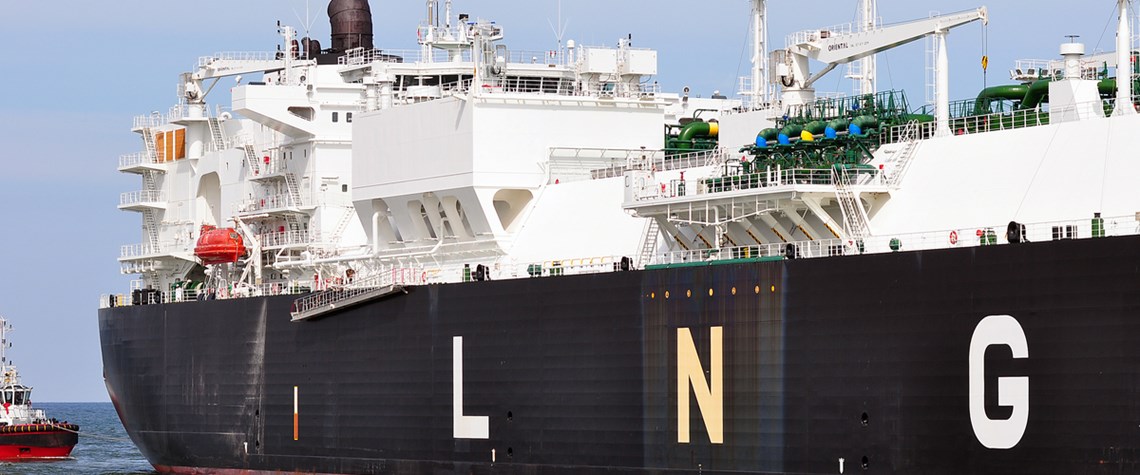
LNG: Intercontinental to inter-regional?
Price differentials are threatening the economics underlying global LNG arbitrage. But the lower prices may unlock competition within regions
It was all going rather well for efficient global LNG trade. The associated gas boom that accompanied the US shale oil revolution drove Henry Hub prices to bargain-basement levels just at a time when the country was developing its first wave of liquefaction and export capacity, most of it linked to those Louisiana prices. An Asian market with an increasing thirst for gas, particularly in China, provided an obvious outlet for these volumes, particularly because the economics worked. As soon as the Opec+ deal in the second half of 2016 pushed oil prices upwards from their sub-$30/bl lows, Asian gas prices—linked largely to oil—decoupled on the upside from global gas supply-demand fundamentals.

Also in this section
23 April 2026
The addition of an oil pipeline to the Power of Siberia 2 gas project could ensure deliveries of Russian oil to China, materially shorten logistics lines between West Siberia and final customers, and—amid disruption in the Strait of Hormuz—offer a land-based export route that reduces exposure to maritime chokepoints
23 April 2026
There is a clear push to bolster exports to Asia amid uncertainty around its North American neighbour, but there are limits to the benefits from the energy crisis
23 April 2026
Shell made the play-opening discovery in Namibia’s Orange basin back in 2022, but its next well could decide whether the project can actually be commercialised
22 April 2026
The failure of OMV Petrom’s keenly watched exploration campaign at Bulgaria’s Han Asparuh block highlights the Black Sea’s uneven track record, despite major successes like Neptun Deep and Sakarya


