


Newsletters | Request Trial | Log in | Advertise | Digital Issue   |   Search
  • Upstream
  • Midstream & Downstream
  • Gas & LNG
  • Trading & Markets
  • Corporate & Finance
  • Geopolitics
  • Podcasts
Search
Related Articles
TotalEnergies sticks to winning formula
TotalEnergies is an outlier among other majors for remaining committed to low-carbon investments while continuing to replenish and expand its ample oil and gas portfolio, with an appetite for high risk/high return projects.
Papua LNG set for FID next year
Papua New Guinea’s LNG sector appears to be back on track, with other projects in the pipeline
Rising costs delay Papua LNG FID
But there is still plenty of appetite for the country’s LNG in the Asia-Pacific region
Papua LNG targets 2024 FID
The Pacific nation’s second liquefaction development will overlap significantly with the existing PNG LNG project
Papua LNG set for startup by 2028
But the additional capacity may face heightened competition for market share later this decade
Rising costs threaten Mozambique LNG
As security improves, TotalEnergies has other concerns
IOCs to expand production at Brazil’s Lapa field
TotalEnergies and partners expect to produce 25,000bl/d from Lapa Southwest
Mozambique upstream progress defies unrest
The east African country continues to attract investment in oil and gas projects, but concerns over security are still impeding developments in the gas-rich north
Exodus from Canada’s oil sands continues
Companies are still fleeing the carbon-heavy assets, despite the industry committing to net-zero emissions by 2050 through the Pathways Alliance
Energy costs hit European refining
Margins narrowed considerably in the third quarter but still remain elevated for the time of year, as the continent continues to adapt following Russia’s invasion of Ukraine
Papua New Guinea ExxonMobil TotalEnergies
Craig Guthrie
22 January 2020
Follow @PetroleumEcon
Forward article link
Share PDF with colleagues

Pressure rises in PNG gas standoff

The P'nyang gas agreement is becoming a test case for the Marape government’s promise to stand up to resource extraction firms

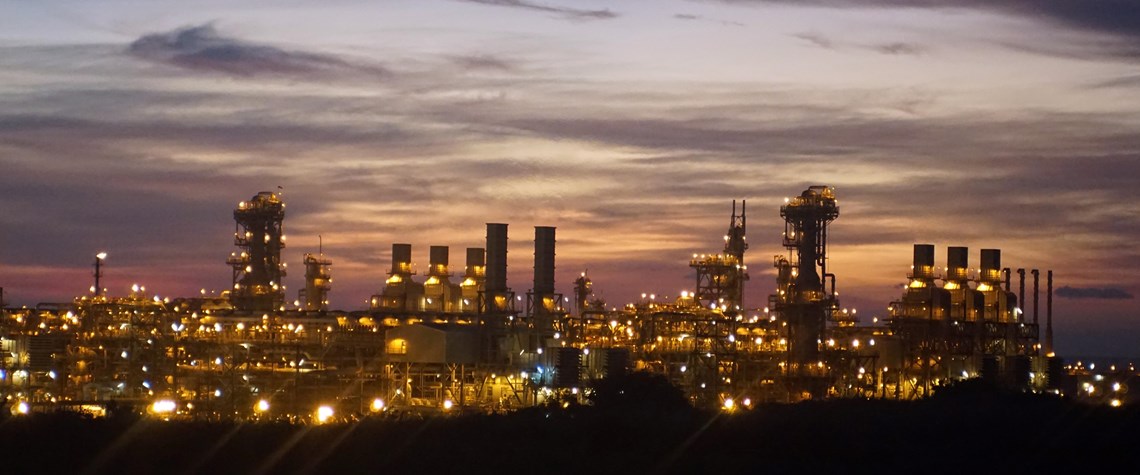
Papua New Guinea (PNG) failed again in mid-January to agree fiscal terms with ExxonMobil for the development of its onshore P'nyang gas field, raising the stakes for all parties involved in a wider project to double gas exports. The failure of the state team negotiating in Singapore piles political pressure on the PNG government; Prime Minister James Marape rose to power last May on the back of pledges to reap more revenue from international resources firms and lift the vast South Pacific archipelago out of poverty. It also increases the financial strain on private stakeholders. The P'nyang gas agreement needs to be sealed before a complex pre-Feed process can start for a larger associated l

Also in this section
Outlook 2026: Grand plan for offshore leasing should give boost to US Gulf
24 December 2025
As activity in the US Gulf has stagnated at a lower level, the government is taking steps to encourage fresh exploration and bolster field development work
Outlook 2026: Revitalising Syria’s oil and gas sector – A new chapter
Outlook 2026
23 December 2025
The new government has brought stability and security to the country, with the door now open to international investment
Outlook 2026: LNG markets and the overhang
Outlook 2026
23 December 2025
A third wave of LNG supply is coming, and with it a likely oversupply of the fuel by 2028
Outlook 2026: Energy realism regains the initiative from energy idealism
Outlook 2026
22 December 2025
Weakening climate resolve in the developed world and rapidly growing demand in developing countries means peak oil is still a long way away

Share PDF with colleagues

COPYRIGHT NOTICE: PDF sharing is permitted internally for Petroleum Economist Gold Members only. Usage of this PDF is restricted by <%= If(IsLoggedIn, User.CompanyName, "")%>’s agreement with Petroleum Economist – exceeding the terms of your licence by forwarding outside of the company or placing on any external network is considered a breach of copyright. Such instances are punishable by fines of up to US$1,500 per infringement
Send

Forward article Link

Send
Sign Up For Our Newsletter
Project Data
Maps
Podcasts
Social Links
Featured Video
Home
  • About us
  • Subscribe
  • Reaching your audience
  • PE Store
  • Terms and conditions
  • Contact us
  • Privacy statement
  • Cookies
  • Sitemap
All material subject to strictly enforced copyright laws © 2025 The Petroleum Economist Ltd
Cookie Settings
;

Search
