


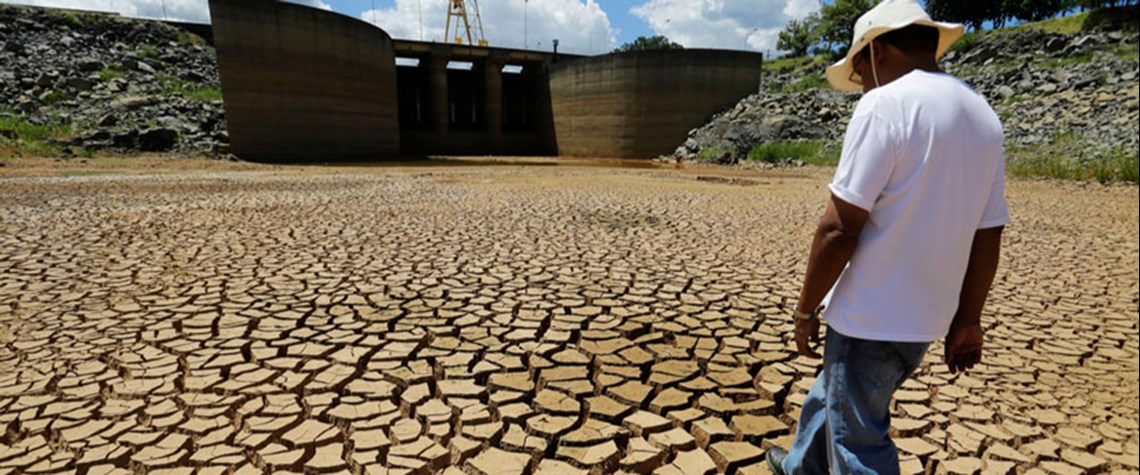
Drought is threatening Brazil's agricultural sector
Turning up the heat on Brazil’s gas reforms
Extreme dry spell is highlighting the need to kickstart the country’s gas liberalisation efforts
Brazil is facing the worst drought in nearly a century, hitting key industrial regions and threatening not only hydroelectric power supply but also the country’s economic powerhouse—the agricultural sector. Brazil’s national grid operator, the ONS, estimates the country’s hydro reservoirs will be depleted to 7.9pc of their capacity by November. To counter the looming crisis and the possibility of blackouts, the government has created a committee to manage hydro reservoirs and authorised dispatch from thermal power plants, including gas, fuel oil and diesel facilities. Heading into next year’s presidential elections, the political implications of regional electricity shortages could be critic

Also in this section
9 April 2026
The April 2026 issue of Petroleum Economist is out now!
9 April 2026
Offshore operators are working through an FID backlog as the rig market consolidates, helped by improving project economics and a renewed security drive
2 April 2026
Alongside a rapid continued build-out of renewables, China’s latest five-year plan stresses the value of domestic hydrocarbon production for energy security and calls for increased Russian gas imports
2 April 2026
The government is taking important steps to revive domestic production, lift investment and benefit from the geopolitical crisis even if more needs to be done in the longer term


