


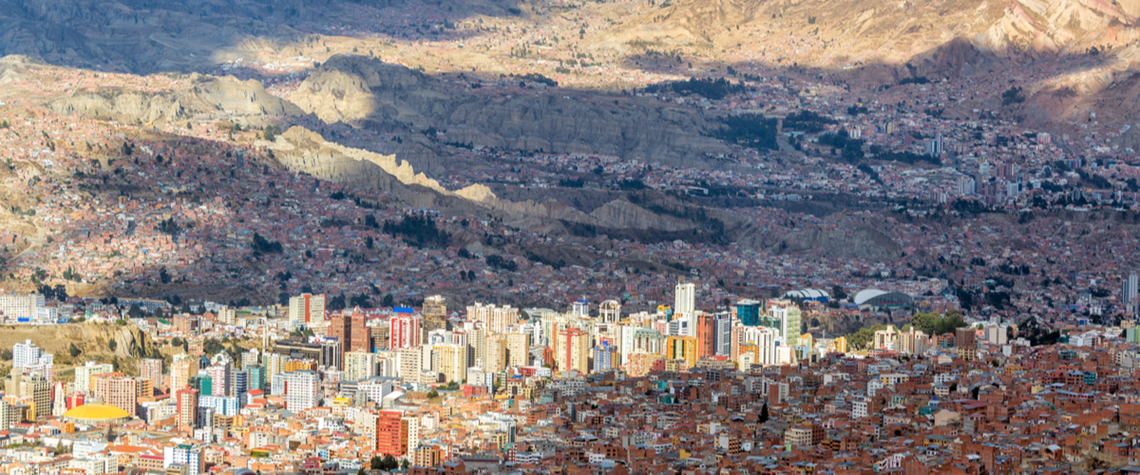
La Paz, Bolivia
Letter from South America: Bolivia's shrinking gas role
Declining production and cheaper LNG threaten the country’s role as gas supplier to its neighbours
Bolivia is a land of contrasts. The country encompasses dense Amazon rainforest, fertile plains, soaring Andes mountains and the second-highest altiplano in the world behind the Tibetan plateau. And yet the country is landlocked, with no access to the Pacific Ocean since the end of the Saltpeter War in 1884. It has struggled with a long history of pendulum swings between military dictatorships and socialist elected governments. The administrative capital of La Paz looks and feels very much like a city built in a crater on Mars, both in terms of aesthetics and lack of oxygen. Doing business in the country, especially in the energy sector, can sometimes feel like doing business on Mars as well

Also in this section
24 March 2026
It is an unusual story of out with the new and in with the old, as America First Refining shows the US going back to trusted energy security developments
23 March 2026
A complex and sometimes contradictory web of factors that include unpredictable oil prices, the globalisation of LNG markets, the expansion of Middle Eastern sovereign capital and the growth of datacentre demand will shape the energy landscape beyond 2026
23 March 2026
The Strait of Hormuz crisis highlights how key waterways can become global chokepoints
20 March 2026
Attacks on key oil and LNG assets across the Gulf mean a prolonged supply disruption, with damage to Qatar’s export capacity undermining confidence in the global gas system


