


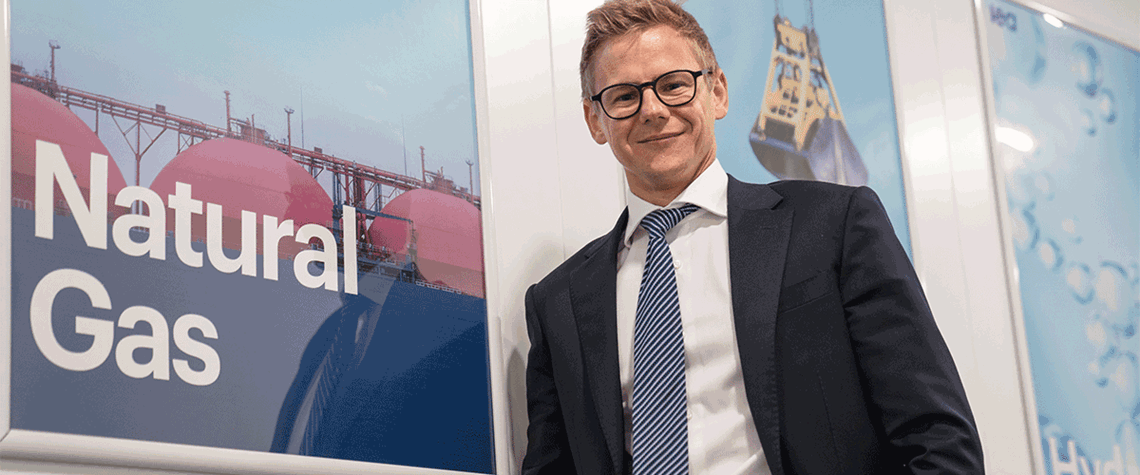
Gergely Molnar, IEA LNG analyst
IEA’s Molnar says LNG is more back-up supply than transition fuel
Russia’s invasion of Ukraine has forever changed gas markets and prompted renewed interest in storage and previously unattractive developments, but the long-term future of the fuel is doubtful
The shock to European gas markets caused by the war in Ukraine has reverberated all around the world, raising issues about global supply and the emergence of Europe as a premium LNG market, and planting seeds of doubt in Asia around its LNG push. There are also far-reaching consequences for security of supply infrastructure and storage as well as long-term thinking around the energy transition. Petroleum Economist dives deep into the issues with this exclusive interview with Gergely Molnar, the IEA’s top LNG analyst. How has Europe's new gas strategy changed the global LNG market? Molnar: When we look back to 2022, we see the European gas market suffered a major supply shock resulting from

Also in this section
24 March 2026
It is an unusual story of out with the new and in with the old, as America First Refining shows the US going back to trusted energy security developments
23 March 2026
A complex and sometimes contradictory web of factors that include unpredictable oil prices, the globalisation of LNG markets, the expansion of Middle Eastern sovereign capital and the growth of datacentre demand will shape the energy landscape beyond 2026
23 March 2026
The Strait of Hormuz crisis highlights how key waterways can become global chokepoints
20 March 2026
Attacks on key oil and LNG assets across the Gulf mean a prolonged supply disruption, with damage to Qatar’s export capacity undermining confidence in the global gas system


