


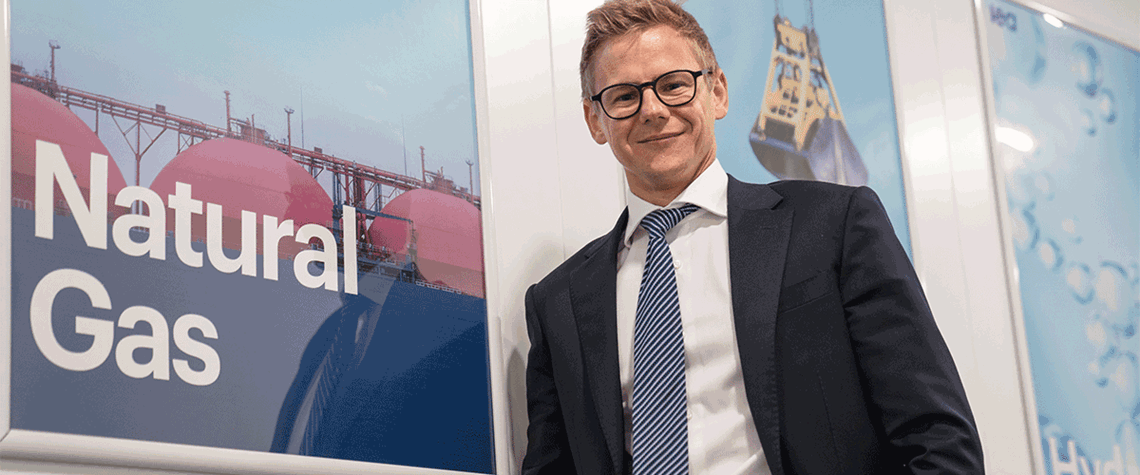
Gergely Molnar, IEA LNG analyst
IEA’s Molnar says LNG is more back-up supply than transition fuel
Russia’s invasion of Ukraine has forever changed gas markets and prompted renewed interest in storage and previously unattractive developments, but the long-term future of the fuel is doubtful
The shock to European gas markets caused by the war in Ukraine has reverberated all around the world, raising issues about global supply and the emergence of Europe as a premium LNG market, and planting seeds of doubt in Asia around its LNG push. There are also far-reaching consequences for security of supply infrastructure and storage as well as long-term thinking around the energy transition. Petroleum Economist dives deep into the issues with this exclusive interview with Gergely Molnar, the IEA’s top LNG analyst. How has Europe's new gas strategy changed the global LNG market? Molnar: When we look back to 2022, we see the European gas market suffered a major supply shock resulting from

Also in this section
14 April 2026
The GECF has warned it may revise its projections for demand this year downwards in light of conflict in the Middle East, although it maintains its forecasts for 2027 and onwards
13 April 2026
Petroleum Economist analysis highlights sharp shift from crude oversupply to market deficit, with Iraq and Kuwait badly affected and key producers Saudi Arabia and the UAE also seeing output sharply lower
13 April 2026
Turkmenistan is moving ahead with a modest expansion of the giant Galkynysh field to sustain gas deliveries abroad, but persistent delays to other key pipeline projects and geopolitical risks continue to constrain its export ambitions
13 April 2026
Expensive electricity has forced out swathes of energy-intensive industry and now threatens the country’s ability to attract future investment in datacentres and the digital economy


