


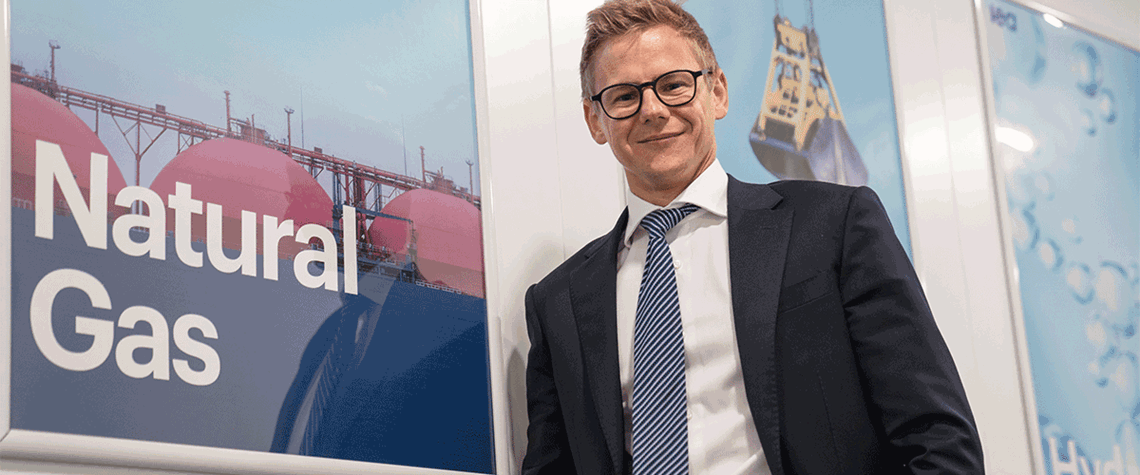
Gergely Molnar, IEA LNG analyst
IEA’s Molnar says LNG is more back-up supply than transition fuel
Russia’s invasion of Ukraine has forever changed gas markets and prompted renewed interest in storage and previously unattractive developments, but the long-term future of the fuel is doubtful
The shock to European gas markets caused by the war in Ukraine has reverberated all around the world, raising issues about global supply and the emergence of Europe as a premium LNG market, and planting seeds of doubt in Asia around its LNG push. There are also far-reaching consequences for security of supply infrastructure and storage as well as long-term thinking around the energy transition. Petroleum Economist dives deep into the issues with this exclusive interview with Gergely Molnar, the IEA’s top LNG analyst. How has Europe's new gas strategy changed the global LNG market? Molnar: When we look back to 2022, we see the European gas market suffered a major supply shock resulting from

Also in this section
3 March 2026
The killing of Iran’s Supreme Leader Ayatollah Khamenei in US–Israeli strikes marks the most serious escalation in the region in decades and a bigger potential threat to the oil market than the start of the Russia-Ukraine crisis
2 March 2026
A potential blockade of the Strait of Hormuz following the escalating US-Iran conflict risks disrupting Qatari LNG exports that underpin global gas markets, exposing Asia and other markets to sharp price spikes, cargo shortages and renewed reliance on dirtier fuels
2 March 2026
The South Asian consumer’s next move could tighten the Middle East oil market overnight
2 March 2026
Canadian independent’s evolving portfolio in Trinidad and Tobago gives it access to the Atlantic LNG market and a close-up view of developments in neighbouring Venezuela


