


Buhari’s Delta gamble
Fresh violence in Nigeria’s oil heartland is cutting output and threatening upstream investment
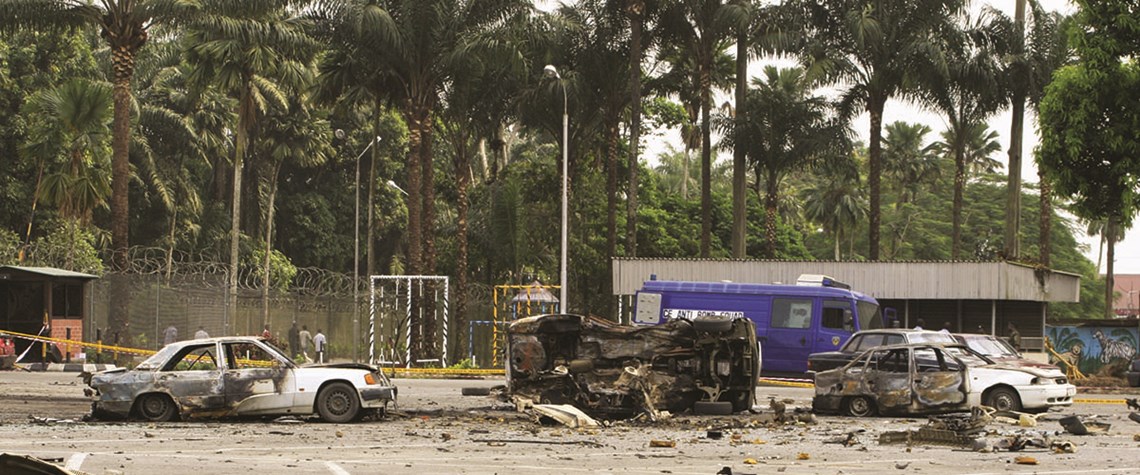
AFTER several years of relatively subdued activity, violence in the Niger Delta has erupted again, escalating beyond a spate of attacks on oil pipelines to an assault on a Chevron-owned oil platform in early May. Oil production has been badly hit and producers must once more review their strategies in the region. The upsurge in unrest followed a change of tone in government relations with militants in the Niger Delta – the heart of the country’s oil industry – who have waged a decades-long campaign to win a greater share of the country’s oil wealth for their still largely impoverished region. President Muhammadu Buhari, who came to power after last year’s elections, has kept in place some fi

Also in this section
24 March 2026
It is an unusual story of out with the new and in with the old, as America First Refining shows the US going back to trusted energy security developments
23 March 2026
A complex and sometimes contradictory web of factors that include unpredictable oil prices, the globalisation of LNG markets, the expansion of Middle Eastern sovereign capital and the growth of datacentre demand will shape the energy landscape beyond 2026
23 March 2026
The Strait of Hormuz crisis highlights how key waterways can become global chokepoints
20 March 2026
Attacks on key oil and LNG assets across the Gulf mean a prolonged supply disruption, with damage to Qatar’s export capacity undermining confidence in the global gas system


