


Buhari’s Delta gamble
Fresh violence in Nigeria’s oil heartland is cutting output and threatening upstream investment
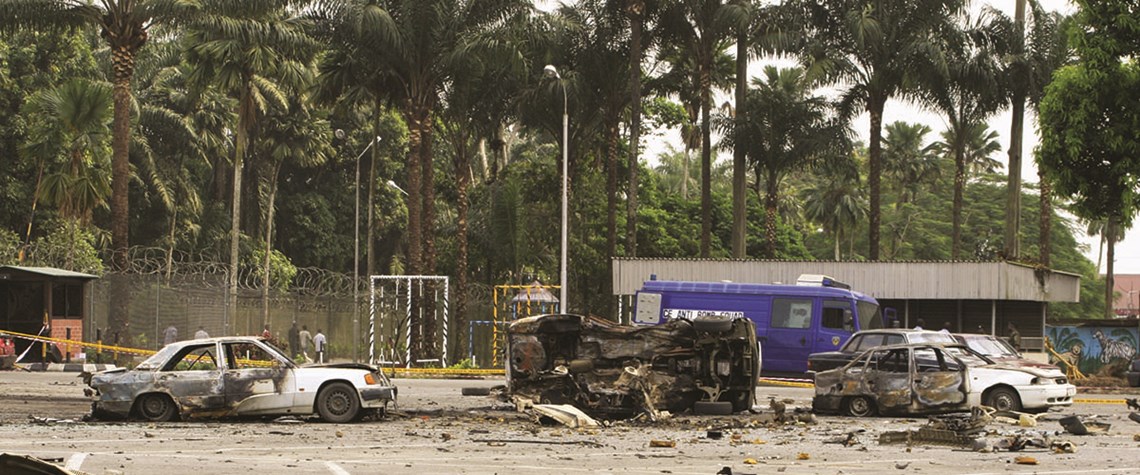
AFTER several years of relatively subdued activity, violence in the Niger Delta has erupted again, escalating beyond a spate of attacks on oil pipelines to an assault on a Chevron-owned oil platform in early May. Oil production has been badly hit and producers must once more review their strategies in the region. The upsurge in unrest followed a change of tone in government relations with militants in the Niger Delta – the heart of the country’s oil industry – who have waged a decades-long campaign to win a greater share of the country’s oil wealth for their still largely impoverished region. President Muhammadu Buhari, who came to power after last year’s elections, has kept in place some fi

Also in this section
14 April 2026
The GECF has warned it may revise its projections for demand this year downwards in light of conflict in the Middle East, although it maintains its forecasts for 2027 and onwards
13 April 2026
Petroleum Economist analysis highlights sharp shift from crude oversupply to market deficit, with Iraq and Kuwait badly affected and key producers Saudi Arabia and the UAE also seeing output sharply lower
13 April 2026
Turkmenistan is moving ahead with a modest expansion of the giant Galkynysh field to sustain gas deliveries abroad, but persistent delays to other key pipeline projects and geopolitical risks continue to constrain its export ambitions
13 April 2026
Expensive electricity has forced out swathes of energy-intensive industry and now threatens the country’s ability to attract future investment in datacentres and the digital economy


