


Egypt: Clearer thinking
The country has committed itself to reducing the volume of associated gas that’s flared at oilfields
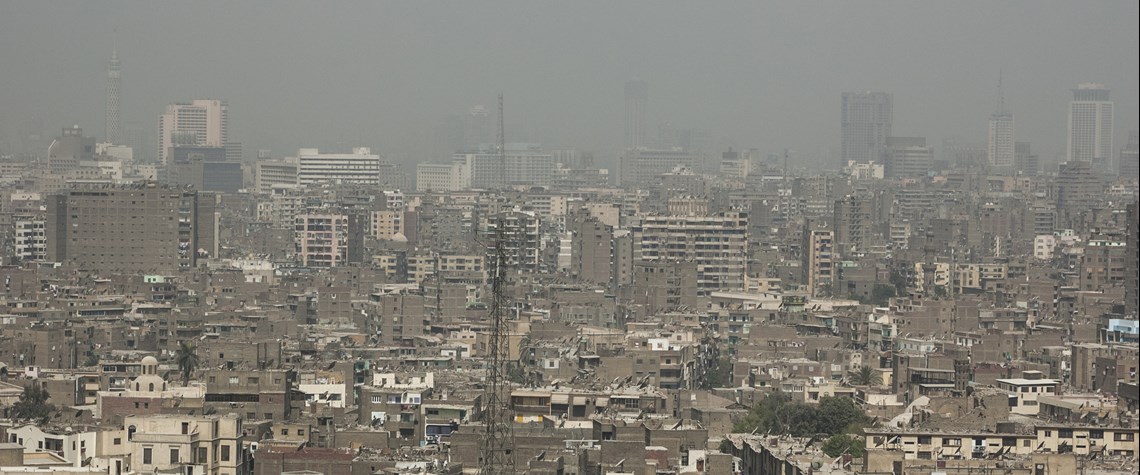
No visitor to Cairo or any other city in Egypt can help noticing the air pollution—the perennial smog that chokes the lungs as much as it obscures the view of the Pyramids and other tourist sites. While there's no magic solution, the Egyptian authorities are taking steps that should eventually help to ease the problem. In Cairo earlier this month, energy minister Tarek El Molla committed his country to a target of eliminating the flaring of associated gas at its oilfields over the coming decade. Egypt is signing up to Zero Routine Flaring by 2030, a global initiative to limit environmental damage caused by the oil industry. Molla made the announcement during a workshop in Cairo organised by

Also in this section
2 April 2026
Alongside a rapid continued build-out of renewables, China’s latest five-year plan stresses the value of domestic hydrocarbon production for energy security and calls for increased Russian gas imports
2 April 2026
The government is taking important steps to revive domestic production, lift investment and benefit from the geopolitical crisis even if more needs to be done in the longer term
1 April 2026
Golden Pass’s startup offers QatarEnergy a timely boost but may also force a difficult choice between honouring disrupted contracts and capitalising on soaring spot LNG prices
1 April 2026
It is not a case of if or when, but the length and magnitude of economic damage from elevated oil prices


