


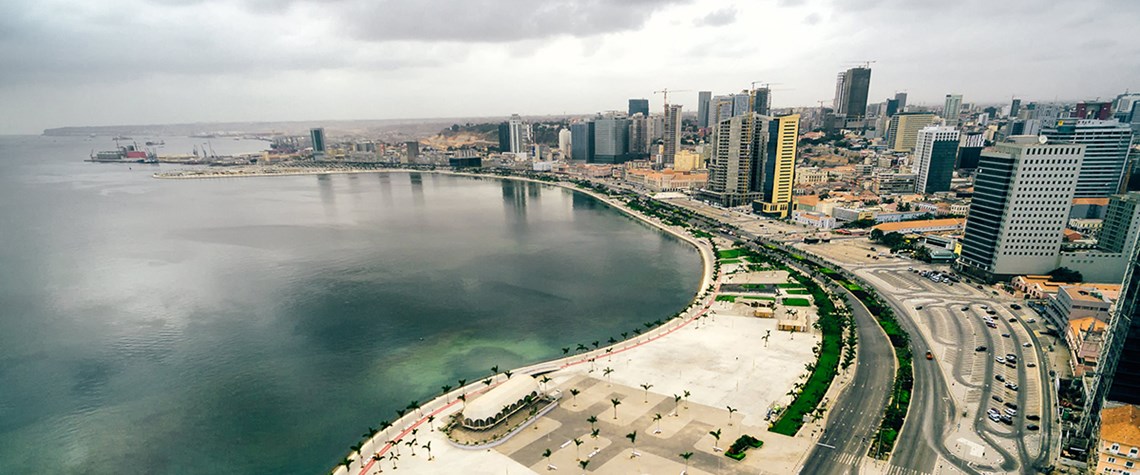
End of an era in Angola?
Angola's controversial leader has relinquished his post, but it's hard to tell whether this will herald a clean break with a murky past for the country and its state oil company
Angola's president, José Eduardo dos Santos, stepped down in August, following nearly four decades in power, during which the country's oil wealth expanded dramatically following the bloody civil war that ended in 2002. This produced little economic benefit for much of the country's still largely impoverished population, but many accusations of rampant corruption. At the time of writing, it was expected that Dos Santos' successor, following the 23 August presidential elections, would be 62-year-old defence minister João Lourenço, the candidate of the ruling Popular Movement for the Liberation of Angola (MPLA). Lourenço vowed to fight corruption, increase transparency and welcome foreign inve

Also in this section
28 April 2026
Oil traders warning of $200/bl oil are wrong, and the market should be wary of proclamations that the impact of the oil shortage has only begun to be felt and a that a ‘harsh adjustment’ is coming—even for industrialised nations
28 April 2026
Restoring supply from Saudi Arabia, the UAE, Kuwait, Qatar, Bahrain and Iraq involves complexities far beyond simply adjusting operational controls
28 April 2026
Datacentres will guzzle power at a ferocious rate, but the impact on wider energy markets will be far more complex than previously thought
28 April 2026
The key energy player faces balancing regional routes, political complexities, and creating a clear strategic vision for energy security


