


Energy diversification is essential for Japan
Public resistance to nuclear power is a hurdle to overcome for Japan to meet its energy targets
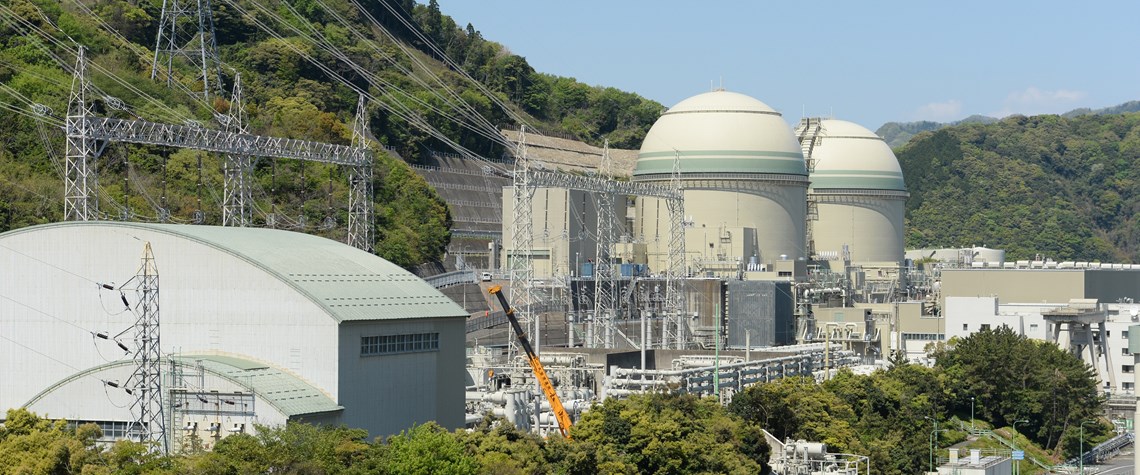
Six years on from the Great East Japan Earthquake and Fukushima nuclear accident in Japan, the impact is still being felt in the energy sector. Of the 42 nuclear reactors in the island nation, 12 have passed safety reviews and three of those are already back in operation, at a total capacity of 2,670MW, while the other nine are being prepared to go back online. However, three out of nine units that were approved will need more time before they can go online. But two obstacles remain. Once the government has signed them off, the nuclear reactors must still get approval from local authorities—and public opposition remains strong. A recent nationwide survey found almost 60% of the public are st

Also in this section
2 April 2026
Alongside a rapid continued build-out of renewables, China’s latest five-year plan stresses the value of domestic hydrocarbon production for energy security and calls for increased Russian gas imports
2 April 2026
The government is taking important steps to revive domestic production, lift investment and benefit from the geopolitical crisis even if more needs to be done in the longer term
1 April 2026
Golden Pass’s startup offers QatarEnergy a timely boost but may also force a difficult choice between honouring disrupted contracts and capitalising on soaring spot LNG prices
1 April 2026
It is not a case of if or when, but the length and magnitude of economic damage from elevated oil prices


