


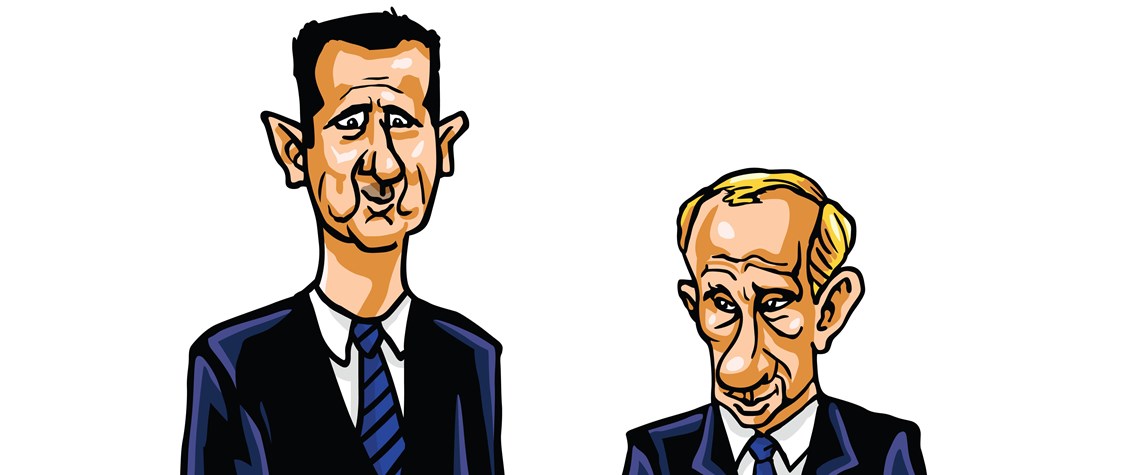
Russia is welcome in the Middle East—up to a point
Arabs encourage Russia's economic advances but are wary of political ones
When Rosneft's chief executive Igor Sechin announced in December 2016 that the Russian firm was taking a 30% share in Egypt's giant offshore Zohr gasfield, Eni had cause to celebrate. For it had further spread the risk associated with developing it, having earlier sold a 10% stake to BP. But Eni's satisfaction was very likely nothing compared to that expressed by President Abdel Fattah el-Sisi when he hosted Sechin at his palace in Cairo. To have a Russian firm involved prominently in a prestige project like Zohr fits with Sisi's strategy of diluting his country's economic dependence on the US and other Western nations. It's a strategy that most Arab governments are adopting. Iraq has welcom

Also in this section
23 April 2026
The addition of an oil pipeline to the Power of Siberia 2 gas project could ensure deliveries of Russian oil to China, materially shorten logistics lines between West Siberia and final customers, and—amid disruption in the Strait of Hormuz—offer a land-based export route that reduces exposure to maritime chokepoints
23 April 2026
There is a clear push to bolster exports to Asia amid uncertainty around its North American neighbour, but there are limits to the benefits from the energy crisis
23 April 2026
Shell made the play-opening discovery in Namibia’s Orange basin back in 2022, but its next well could decide whether the project can actually be commercialised
22 April 2026
The failure of OMV Petrom’s keenly watched exploration campaign at Bulgaria’s Han Asparuh block highlights the Black Sea’s uneven track record, despite major successes like Neptun Deep and Sakarya


