


More Iraqi oil
The federal government will put all output and exports under its control, while boosting capacity
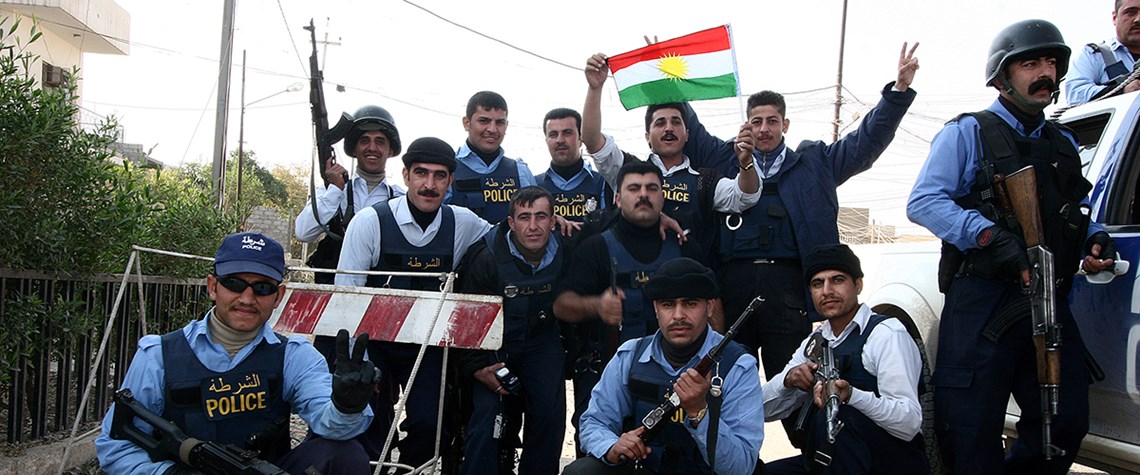
For Iraq's petroleum sector, critical questions for 2018 arise. First, will production increase—and, if so, how much? Furthermore, after Shell's decision to exit Majnoon, will other oil majors pull out of the giant southern projects? Finally, there's the Kurdish question: what will happen to its energy sector after the mishandled independence referendum, which led to Baghdad reclaiming disputed territory from the Kurds, including Kirkuk's vast oil reserves, and taking control of the Kurdish Region of Iraq's (KRI) main export point at Faysh Khabur on the border with Turkey. Any deal between Baghdad and Erbil will likely adhere more closely to the Iraqi constitution than in the past; but resol

Also in this section
24 March 2026
It is an unusual story of out with the new and in with the old, as America First Refining shows the US going back to trusted energy security developments
23 March 2026
A complex and sometimes contradictory web of factors that include unpredictable oil prices, the globalisation of LNG markets, the expansion of Middle Eastern sovereign capital and the growth of datacentre demand will shape the energy landscape beyond 2026
23 March 2026
The Strait of Hormuz crisis highlights how key waterways can become global chokepoints
20 March 2026
Attacks on key oil and LNG assets across the Gulf mean a prolonged supply disruption, with damage to Qatar’s export capacity undermining confidence in the global gas system


