


More Iraqi oil
The federal government will put all output and exports under its control, while boosting capacity
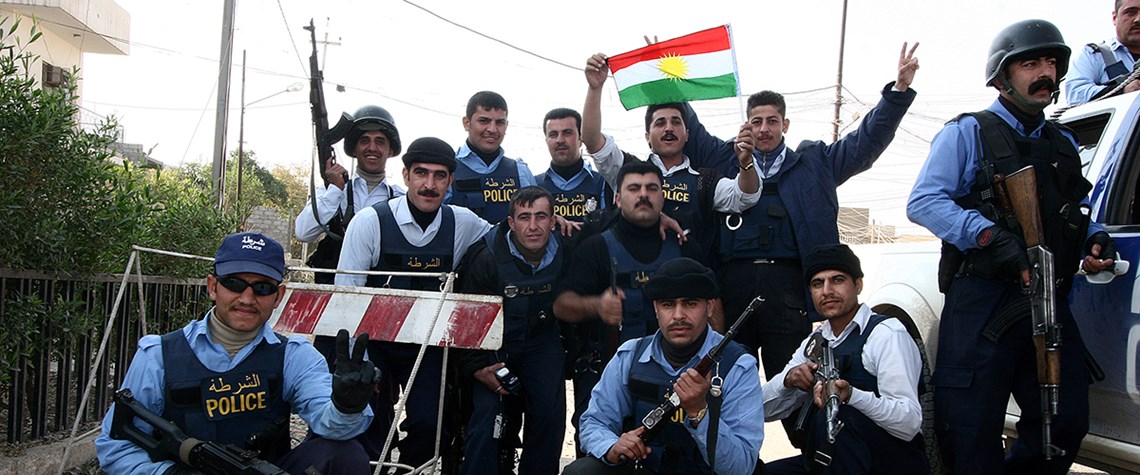
For Iraq's petroleum sector, critical questions for 2018 arise. First, will production increase—and, if so, how much? Furthermore, after Shell's decision to exit Majnoon, will other oil majors pull out of the giant southern projects? Finally, there's the Kurdish question: what will happen to its energy sector after the mishandled independence referendum, which led to Baghdad reclaiming disputed territory from the Kurds, including Kirkuk's vast oil reserves, and taking control of the Kurdish Region of Iraq's (KRI) main export point at Faysh Khabur on the border with Turkey. Any deal between Baghdad and Erbil will likely adhere more closely to the Iraqi constitution than in the past; but resol

Also in this section
14 April 2026
The GECF has warned it may revise its projections for demand this year downwards in light of conflict in the Middle East, although it maintains its forecasts for 2027 and onwards
13 April 2026
Petroleum Economist analysis highlights sharp shift from crude oversupply to market deficit, with Iraq and Kuwait badly affected and key producers Saudi Arabia and the UAE also seeing output sharply lower
13 April 2026
Turkmenistan is moving ahead with a modest expansion of the giant Galkynysh field to sustain gas deliveries abroad, but persistent delays to other key pipeline projects and geopolitical risks continue to constrain its export ambitions
13 April 2026
Expensive electricity has forced out swathes of energy-intensive industry and now threatens the country’s ability to attract future investment in datacentres and the digital economy


