


Uncertain days for Malaysia's oil industry
The surprise victory of the opposition alliance in Malaysia could lead to a new relationship between the government and Petronas
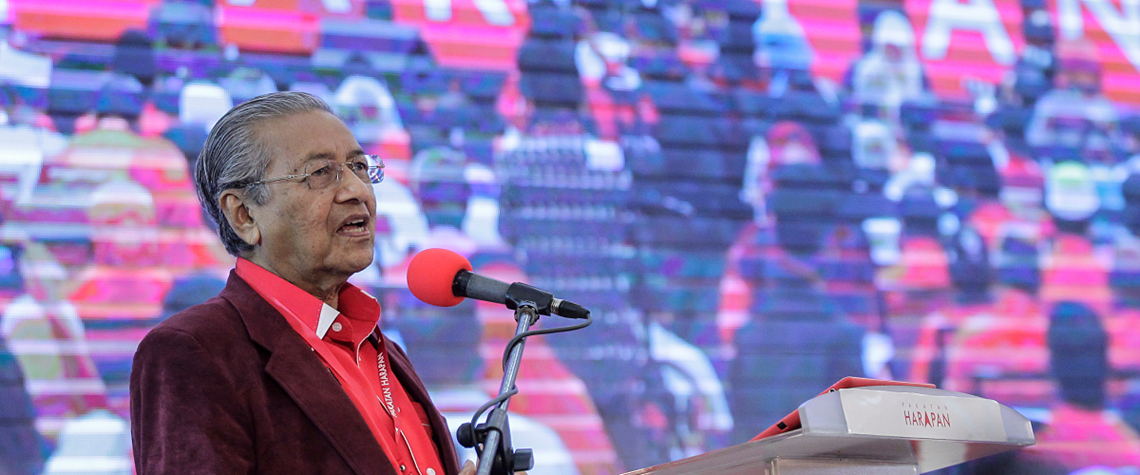
Malaysia's new prime minister, Mahathir Mohamad, has moved quickly to make good on an election campaign pledge to scrap a goods-and-services tax (GST) blamed for rising living costs. Speculation is now mounting over whether state-controlled oil and gas giant Petronas could be tapped to fill any resulting hole in the country's finances. The 6% tax, which is to be abolished on June 1, was introduced by the coalition government led by Mahathir's predecessor Najib Razak in 2015 in an effort to counter falling government income from Petronas, at a time when the firm's revenues were hit by the oil price collapse. However, GST ramped up costs right along the supply chain from manufacturers to consu

Also in this section
2 April 2026
Alongside a rapid continued build-out of renewables, China’s latest five-year plan stresses the value of domestic hydrocarbon production for energy security and calls for increased Russian gas imports
2 April 2026
The government is taking important steps to revive domestic production, lift investment and benefit from the geopolitical crisis even if more needs to be done in the longer term
1 April 2026
Golden Pass’s startup offers QatarEnergy a timely boost but may also force a difficult choice between honouring disrupted contracts and capitalising on soaring spot LNG prices
1 April 2026
It is not a case of if or when, but the length and magnitude of economic damage from elevated oil prices


