


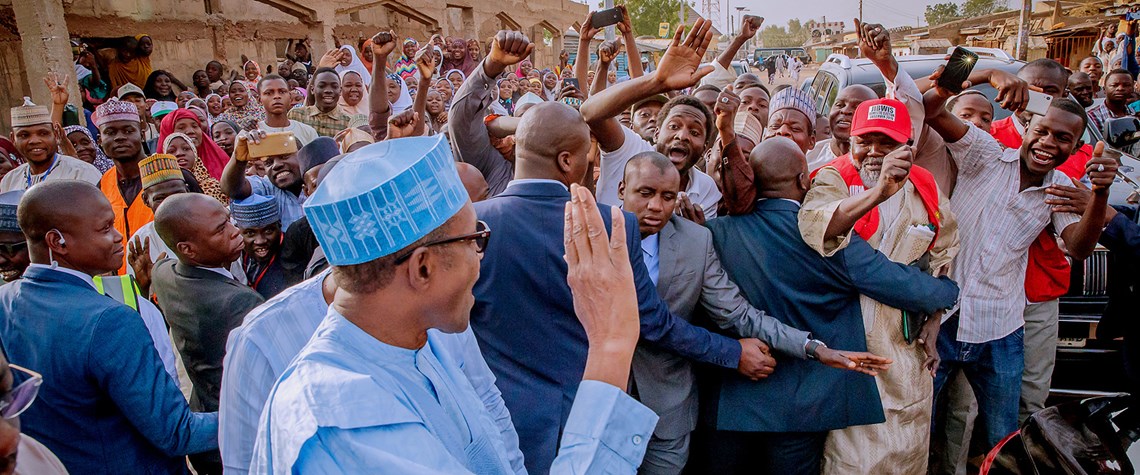
Back to business as usual with Buhari
The Nigerian president is likely to remain a difficult partner for oil firms in his second term in office
Muhammadu Buhari's victory in February's presidential elections reinforces the incumbent's control over the development of the Nigerian hydrocarbons sector. But those hoping that stability at the top for another four years could enable long-gestating radical reforms within the industry finally to be enacted may be disappointed. The size of 76-year-old Buhari's win surprised some Nigeria watchers who had expected the main opposition candidate, the 72-year-old businessman Atiku Abubakar, to run him closer. Buhari, representing the All Progressive Congress (APC), took around 56pc of the vote, while Abubakar, leader of the People's Democratic Party (PDP), came second with 41pc. As is customary i

Also in this section
14 April 2026
The GECF has warned it may revise its projections for demand this year downwards in light of conflict in the Middle East, although it maintains its forecasts for 2027 and onwards
13 April 2026
Petroleum Economist analysis highlights sharp shift from crude oversupply to market deficit, with Iraq and Kuwait badly affected and key producers Saudi Arabia and the UAE also seeing output sharply lower
13 April 2026
Turkmenistan is moving ahead with a modest expansion of the giant Galkynysh field to sustain gas deliveries abroad, but persistent delays to other key pipeline projects and geopolitical risks continue to constrain its export ambitions
13 April 2026
Expensive electricity has forced out swathes of energy-intensive industry and now threatens the country’s ability to attract future investment in datacentres and the digital economy


