


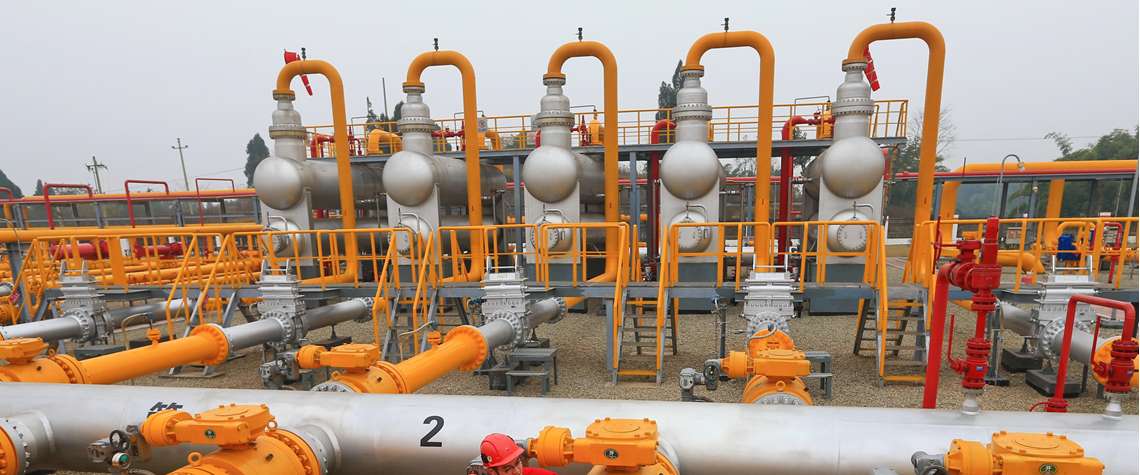
Data revolution before shale revolution
China needs to replicate the US approach of making more data available before it can hope for game-changing shale production growth
A September shale gas discovery by the PetroChina arm of China ‘big three’ oil firm CNPC, in the Sichuan basin, has been hailed as a breakthrough because of the shallower-than-usual depth at which it was made. But it will make little difference to China’s likelihood of hugely undershooting its 2020 shale gas production target. Beijing remains hopeful that funding shale gas exploration will help reduce China’s growing reliance on gas imports, as part of a wider growing concern over the country’s energy security in the wake of geo-political tensions with the US and its significant Asian naval strength. But analysts argue that root-and-branch reform of the structure of the Chinese gas industry

Also in this section
2 April 2026
Alongside a rapid continued build-out of renewables, China’s latest five-year plan stresses the value of domestic hydrocarbon production for energy security and calls for increased Russian gas imports
2 April 2026
The government is taking important steps to revive domestic production, lift investment and benefit from the geopolitical crisis even if more needs to be done in the longer term
1 April 2026
Golden Pass’s startup offers QatarEnergy a timely boost but may also force a difficult choice between honouring disrupted contracts and capitalising on soaring spot LNG prices
1 April 2026
It is not a case of if or when, but the length and magnitude of economic damage from elevated oil prices


