


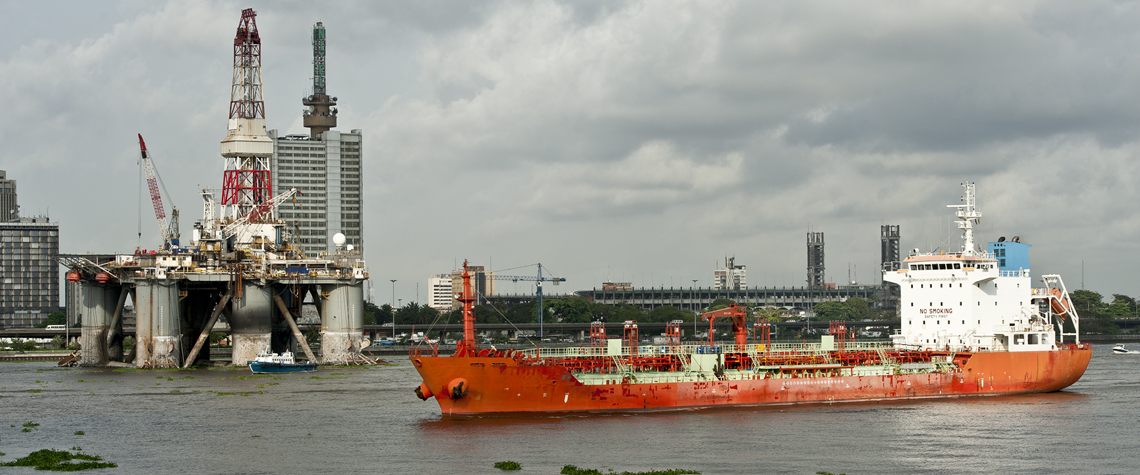
Political risk threatens Nigeria's oil sector recovery
In Nigeria’s oil sector, debts are being settled—albeit gradually—and financial backing for new projects is being put in place, but investors remain cautious.
The Nigerian government claims to be making headway in putting the oil industry's finances in order and stimulating investment. But the international oil companies (IOCs) will want to see the outcome of February's presidential election and whether licensing reforms are implemented before sinking billions into further offshore developments. The state-owned Nigerian National Petroleum Corporation (NNPC) paid off all its cash calls due in 2017-18 and has said that, by September 2018, it had paid almost off almost $1bn out of a total of around $5bn in arrears it owes to joint ventures with its international oil company partners. NNPC also said it had signed agreements with the joint venture comp

Also in this section
2 April 2026
Alongside a rapid continued build-out of renewables, China’s latest five-year plan stresses the value of domestic hydrocarbon production for energy security and calls for increased Russian gas imports
2 April 2026
The government is taking important steps to revive domestic production, lift investment and benefit from the geopolitical crisis even if more needs to be done in the longer term
1 April 2026
Golden Pass’s startup offers QatarEnergy a timely boost but may also force a difficult choice between honouring disrupted contracts and capitalising on soaring spot LNG prices
1 April 2026
It is not a case of if or when, but the length and magnitude of economic damage from elevated oil prices


