


Turkey pushes East Mediterranean boundaries
The Erdogan regime’s maritime border agreement with Libya can only serve to ramp up regional tensions
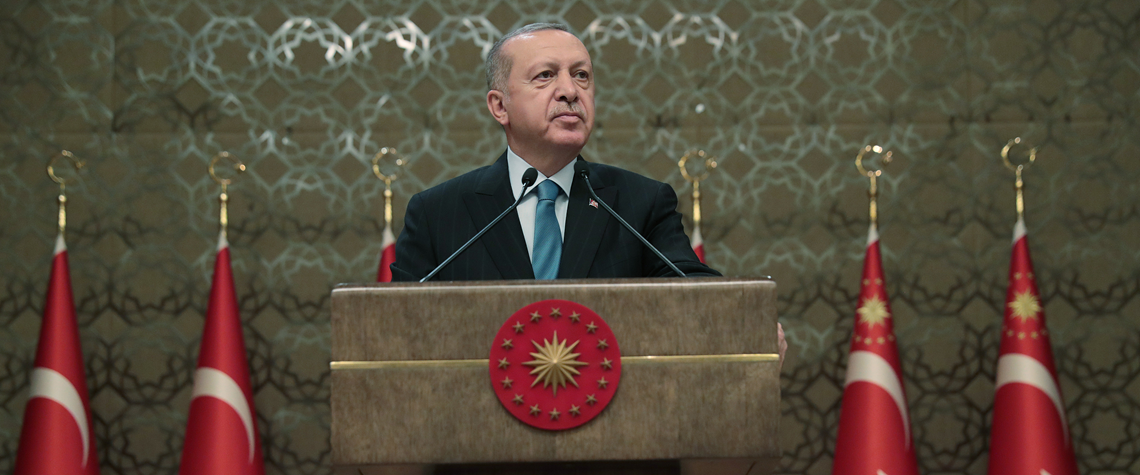
Turkey has gone a step further in its East Mediterranean power play, signing a memorandum of understanding (MoU) with the internationally recognised government in Libya on their joint maritime border. On the face of it, the MoU places a vast swathe of the Eastern Mediterranean Sea into Turkish hands, including not just the waters off Cyprus but around some Greek islands as well. The Ankara authorities already asserts the right to search for hydrocarbons in any spot that Turkey sees as within its continental shelf area; for several months, its drill ships have been operating inside Cyprus’ economic exclusion zone (EEZ), with a promise of more to come. Predictably, the Cypriot and Greek gov

Also in this section
9 April 2026
The April 2026 issue of Petroleum Economist is out now!
9 April 2026
Offshore operators are working through an FID backlog as the rig market consolidates, helped by improving project economics and a renewed security drive
2 April 2026
Alongside a rapid continued build-out of renewables, China’s latest five-year plan stresses the value of domestic hydrocarbon production for energy security and calls for increased Russian gas imports
2 April 2026
The government is taking important steps to revive domestic production, lift investment and benefit from the geopolitical crisis even if more needs to be done in the longer term


