


Turkish resentment sours East Med gas mood
A municipal election setback for Turkey’s governing party could trigger a more aggressive energy policy towards Cyprus
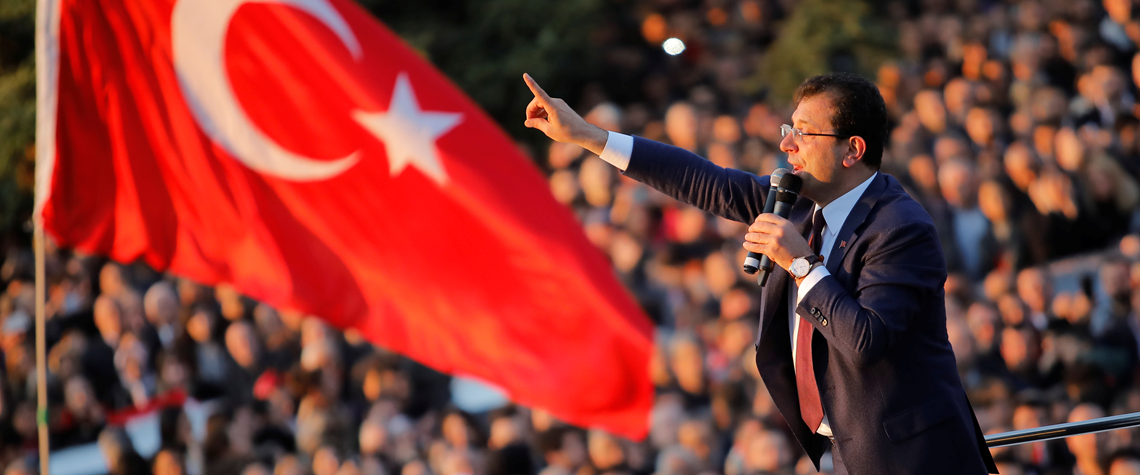
Turkey feels increasingly like an outsider on the East Mediterranean natural gas scene and is not happy about it. And a surprise threat to president Recep Tayyip Erdogan's grip on power may encourage him to do more about it to distract from the domestic agenda. Several developments have contributed to Turkey's mood. Firstly, Ankara insists that the Republic of Cyprus has no right to explore for or develop offshore hydrocarbon resources while the island remains divided and the Turkish Cypriot community in the north is excluded from the process. Moreover, Turkey does not recognise Cyprus' economic exclusion zone (EEZ), in part because it claims that the EEZ infringes part of Turkey's continent

Also in this section
24 March 2026
It is an unusual story of out with the new and in with the old, as America First Refining shows the US going back to trusted energy security developments
23 March 2026
A complex and sometimes contradictory web of factors that include unpredictable oil prices, the globalisation of LNG markets, the expansion of Middle Eastern sovereign capital and the growth of datacentre demand will shape the energy landscape beyond 2026
23 March 2026
The Strait of Hormuz crisis highlights how key waterways can become global chokepoints
20 March 2026
Attacks on key oil and LNG assets across the Gulf mean a prolonged supply disruption, with damage to Qatar’s export capacity undermining confidence in the global gas system


