


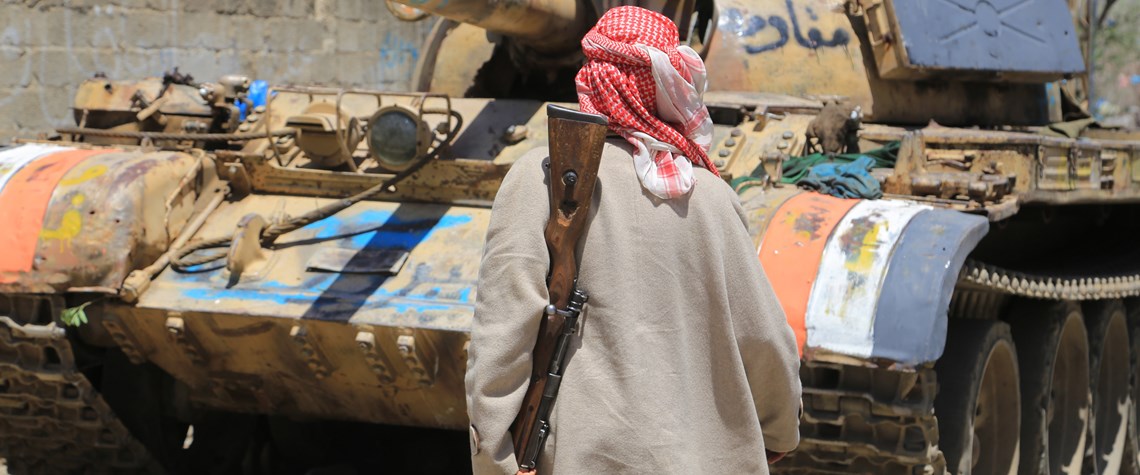
Yemen compromise pressure grows on Saudi
Potentially wavering support from a key ally and the need for Strait of Hormuz alternatives may force the Kingdom's hand
Saudi Arabia continues to be the key backer of the internationally-recognised Yemeni authorities under President Abd-Rabbuh Mansur Hadi. But a number of factors may be combining to compell Crown Prince Mohammed bin Salman to soften his hard-line stance and move to the negotiating table. The kingdom continues to support the principle of Yemen remaining united, with Sanaa as its capital. Saudi Arabia's main partner in the Yemen war, which began in 2015, has been the United Arab Emirates (UAE). The UAE until recently had a large force deployed in southern Yemen, arming and training southerners who are supporters of secession. But over recent weeks the UAE has withdrawn most of its troops from Y

Also in this section
24 March 2026
It is an unusual story of out with the new and in with the old, as America First Refining shows the US going back to trusted energy security developments
23 March 2026
A complex and sometimes contradictory web of factors that include unpredictable oil prices, the globalisation of LNG markets, the expansion of Middle Eastern sovereign capital and the growth of datacentre demand will shape the energy landscape beyond 2026
23 March 2026
The Strait of Hormuz crisis highlights how key waterways can become global chokepoints
20 March 2026
Attacks on key oil and LNG assets across the Gulf mean a prolonged supply disruption, with damage to Qatar’s export capacity undermining confidence in the global gas system


