


Iraq’s investor outlook worsens
The investment environment in Iraq is being affected by continued turmoil in domestic politics and the country’s battle with Covid-19
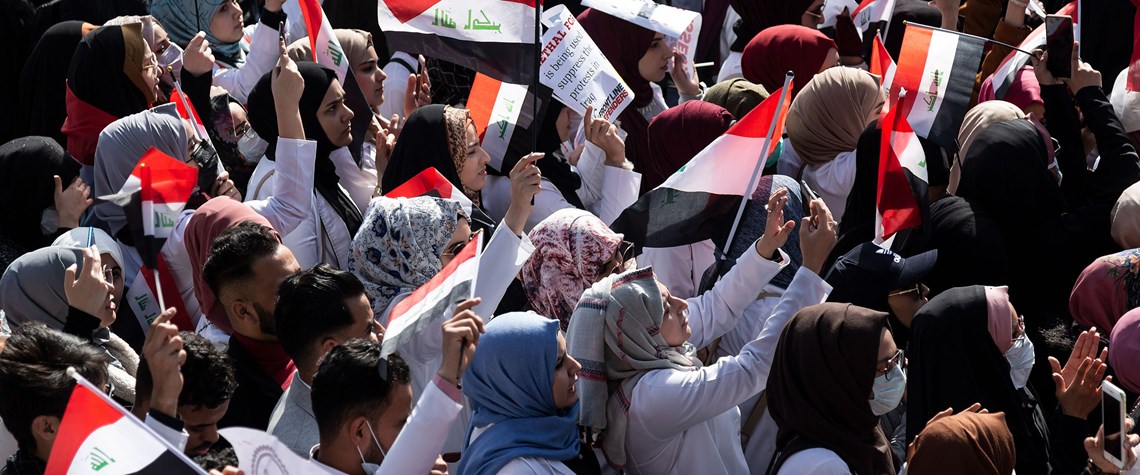
The resignation of Iraqi prime minister designate Mohammed Tawfiq Allawi at the start of this month following his failure to form an administration shows the fractured state of politics in Iraq and leaves the country without a complete government. New elections will be needed, and former prime minister Adil Abdul Mahdi has suggested they could be held towards the end of this year. This would entail the current government continuing without a prime minister until then. Investment delay No prime minister also means no permanent oil minister, which could prevent Iraq from passing legislation required for investment decisions on key projects. “Security and coronavirus will continue to be a big

Also in this section
24 March 2026
It is an unusual story of out with the new and in with the old, as America First Refining shows the US going back to trusted energy security developments
23 March 2026
A complex and sometimes contradictory web of factors that include unpredictable oil prices, the globalisation of LNG markets, the expansion of Middle Eastern sovereign capital and the growth of datacentre demand will shape the energy landscape beyond 2026
23 March 2026
The Strait of Hormuz crisis highlights how key waterways can become global chokepoints
20 March 2026
Attacks on key oil and LNG assets across the Gulf mean a prolonged supply disruption, with damage to Qatar’s export capacity undermining confidence in the global gas system


