


Iraq’s investor outlook worsens
The investment environment in Iraq is being affected by continued turmoil in domestic politics and the country’s battle with Covid-19
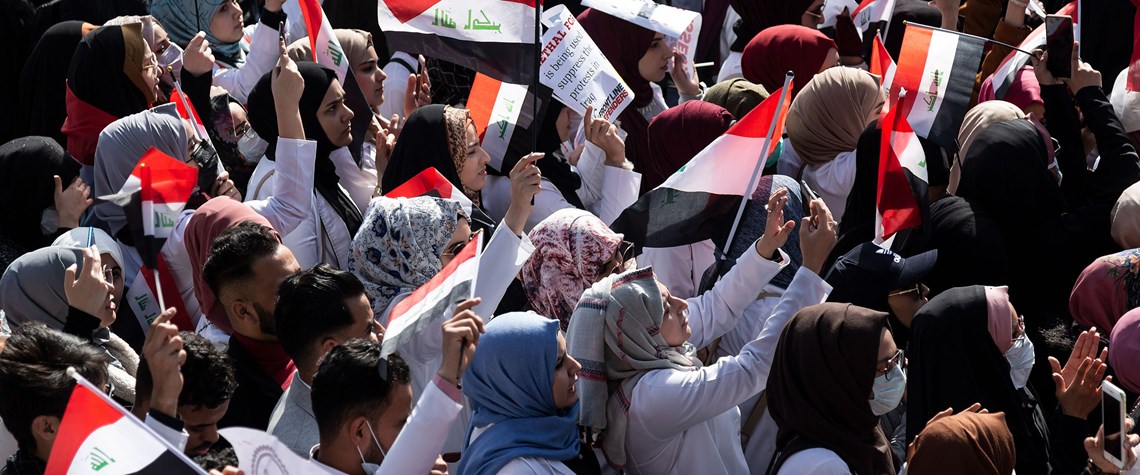
The resignation of Iraqi prime minister designate Mohammed Tawfiq Allawi at the start of this month following his failure to form an administration shows the fractured state of politics in Iraq and leaves the country without a complete government. New elections will be needed, and former prime minister Adil Abdul Mahdi has suggested they could be held towards the end of this year. This would entail the current government continuing without a prime minister until then. Investment delay No prime minister also means no permanent oil minister, which could prevent Iraq from passing legislation required for investment decisions on key projects. “Security and coronavirus will continue to be a big

Also in this section
14 April 2026
The GECF has warned it may revise its projections for demand this year downwards in light of conflict in the Middle East, although it maintains its forecasts for 2027 and onwards
13 April 2026
Petroleum Economist analysis highlights sharp shift from crude oversupply to market deficit, with Iraq and Kuwait badly affected and key producers Saudi Arabia and the UAE also seeing output sharply lower
13 April 2026
Turkmenistan is moving ahead with a modest expansion of the giant Galkynysh field to sustain gas deliveries abroad, but persistent delays to other key pipeline projects and geopolitical risks continue to constrain its export ambitions
13 April 2026
Expensive electricity has forced out swathes of energy-intensive industry and now threatens the country’s ability to attract future investment in datacentres and the digital economy


