


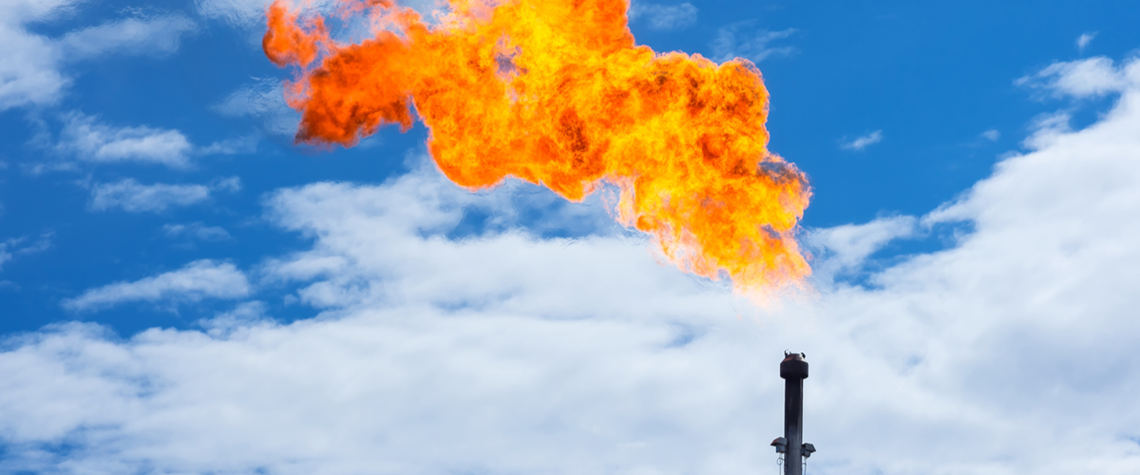
IOCs ordered to cease all flaring of associated gas within 18 months or face fines
The curious case of Kurdish gas
The KRG is seeking to increase gas flows and reduce flaring, but its strategy has raised a few eyebrows
The Kurdistan Regional Government (KRG) is moving to exert greater control over its oil and gas industry under Minister of Natural Resources Kamal Atroshi, who was sworn into office in January. Operators may not, though, see the greater engagement as unconditionally positive. IOCs active in Kurdistan had been sitting relatively pretty—14 months of consecutive timely payments coincided with the December announcement by the Ministry of Natural Resources (MNR) of a plan to pay off several months’ worth of debts. Under the MNR’s framework, firms received an additional $0.50/bl produced for each dollar over $50/bl in the realised price of crude, allowing them to slowly make good the arrears, say

Also in this section
2 April 2026
Alongside a rapid continued build-out of renewables, China’s latest five-year plan stresses the value of domestic hydrocarbon production for energy security and calls for increased Russian gas imports
2 April 2026
The government is taking important steps to revive domestic production, lift investment and benefit from the geopolitical crisis even if more needs to be done in the longer term
1 April 2026
Golden Pass’s startup offers QatarEnergy a timely boost but may also force a difficult choice between honouring disrupted contracts and capitalising on soaring spot LNG prices
1 April 2026
It is not a case of if or when, but the length and magnitude of economic damage from elevated oil prices


