


Newsletters | Request Trial | Log in | Advertise | Digital Issue   |   Search
  • Upstream
  • Midstream & Downstream
  • Gas & LNG
  • Trading & Markets
  • Corporate & Finance
  • Geopolitics
  • Podcasts
Search
Related Articles
Outlook 2026: From wells to wafers – How MENA is powering the new energy–data nexus
Leading economies in the region are using oil and gas revenues to fund mineral strategies and power hyperscale computing
Mideast gas sector needs $200b of investment
Cash will be needed to boost production by 30% to meet region’s rapidly rising power demand, executives told the inaugural Middle East Gas Conference in December
Outlook 2026: Taking action on flaring and methane emissions
Less than two years after its launch, the World Bank’s Global Flaring and Methane Reduction Partnership is supporting abatement in 17 countries, but with flaring at a near-two-decade peak and methane emissions stubbornly high, there is work to do
Outlook 2026: Portable cryogenic tanks – Creating new energy pathways
Cryogenic tanks offer flexible transit options for the new generation of low-carbon molecules
Outlook 2026: Freedom gas, captive buyer
Japan once wrote the book on LNG supply diversification, but it is now looking increasingly reliant on a single major provider
Outlook 2026: Underground gas storage – A critical pillar for global energy security
Heightened unpredictability in the global energy market underlines the vital nature of UGS, which provides reliability, affordability and resilience
Explainer: What do Russia’s oil giants own overseas?
Time is running out for Lukoil and Rosneft to divest international assets that will be mostly rendered useless to them when the US sanctions deadline arrives in mid-December
Tax policy will shape Russia’s oil future
The consensus among market observers is that the country’s oil output will fall in the long term. Yet few recognise how Moscow’s shifting tax regime is designed to keep the next barrel commercially viable
The curious case of oil-on-water
The market is facing being drowned in excess crude, but one caveat is that a large chunk is due to buyers reluctant to snap up sanctioned barrels
Gas should fare better than oil under Canada’s new regime
The new federal government appears far more supportive of oil and gas than former prime minister Justin Trudeau’s climate-focused administration, but the prospects look better for the latter hydrocarbon
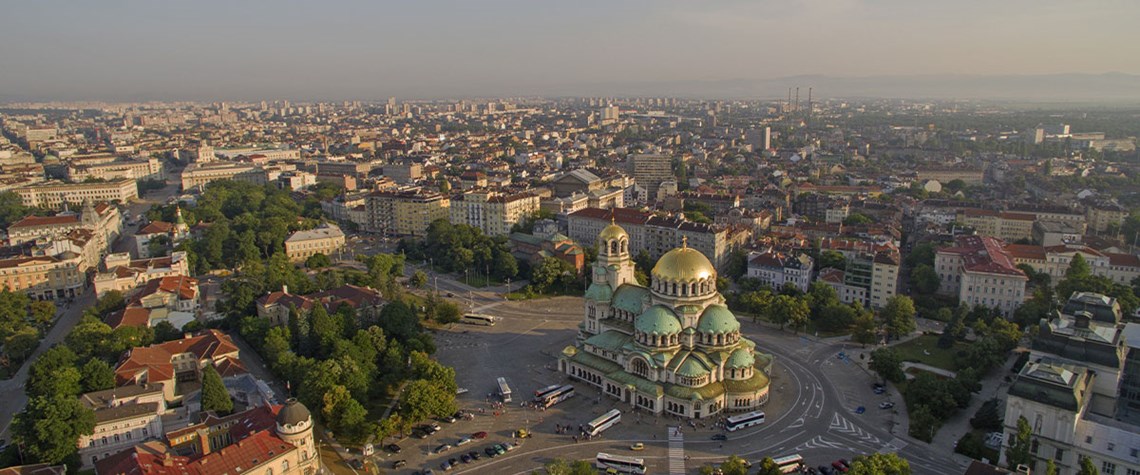
Sofia, capital of Bulgaria
Bulgaria Russia Gas
Victor Kotsev
Sofia
3 October 2022
Follow @PetroleumEcon
Forward article link
Share PDF with colleagues

Bulgaria caught between east and west

Russian interference and domestic political instability threaten the country’s dream of becoming a regional energy hub

Bulgaria is set to start receiving Azeri gas and US LNG via a long-anticipated link to Greece that is expected to become operational on 1 October. But the poorest EU member state—and one of Russia’s closest former satellites—is also headed into a bitterly contested election and faces an uncertain energy situation over the winter. The challenging position Bulgaria finds itself in is largely due to domestic dysfunction, analysts say, although the crisis is exacerbated by Russia’s decision in April to cut off gas supplies after the country’s former pro-Western coalition government, which collapsed in June, refused to pay in roubles. At the beginning of the year, Bulgaria was importing about 90p

Also in this section
Explainer: Iran’s indispensable energy role
16 January 2026
The country’s global energy importance and domestic political fate are interlocked, highlighting its outsized oil and gas powers, and the heightened fallout risk
Oil’s tanker transformation
16 January 2026
The global maritime oil transport sector enters 2026 facing a rare convergence of crude oversupply, record newbuild deliveries and the potential easing of several geopolitical disruptions that have shaped trade flows since 2022
Letter from the US: The curse of strong energy exports
Opinion
15 January 2026
Rebuilding industry, energy dominance and lower energy costs are key goals that remain at odds in 2026
Venezuela mismanaged its oil, and US shale benefitted
14 January 2026
Chavez’s socialist reforms boosted state control but pushed knowledge and capital out of the sector, opening the way for the US shale revolution

Share PDF with colleagues

COPYRIGHT NOTICE: PDF sharing is permitted internally for Petroleum Economist Gold Members only. Usage of this PDF is restricted by <%= If(IsLoggedIn, User.CompanyName, "")%>’s agreement with Petroleum Economist – exceeding the terms of your licence by forwarding outside of the company or placing on any external network is considered a breach of copyright. Such instances are punishable by fines of up to US$1,500 per infringement
Send

Forward article Link

Send
Sign Up For Our Newsletter
Project Data
Maps
Podcasts
Social Links
Featured Video
Home
  • About us
  • Subscribe
  • Reaching your audience
  • PE Store
  • Terms and conditions
  • Contact us
  • Privacy statement
  • Cookies
  • Sitemap
All material subject to strictly enforced copyright laws © 2025 The Petroleum Economist Ltd
Cookie Settings
;

Search
