


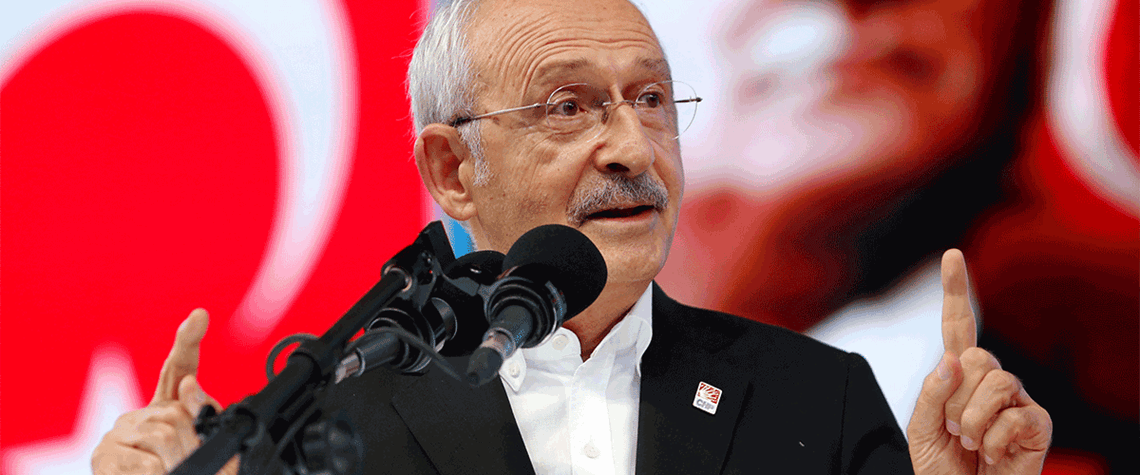
Opposition candidate Kemal Kilicdaroglu
The energy stakes of Turkey’s heated presidential election
Besides fraying democracy, different visions for Turkey as a regional gas hub hang in the balance in a fateful election in May
Polls in Turkey suggest a slim lead for joint opposition candidate Kemal Kilicdaroglu, who is running to unseat strongman populist Recep Tayyip Erdogan after two decades in power. Whatever the results, Turkey’s energy clout will likely continue to grow, and the next government will seek to enhance its status as a regional gas hub feeding Europe. Yet there are nuances: most importantly, perhaps, how big a role Russia will play in pursuing these ambitions. “Putin and Erdogan are both confronting political challenges and that does not create the circumstances in which to make pragmatic decisions about energy policy,” says Elizabeth Stephens, managing director of UK-based consultancy Geopolitica

Also in this section
13 April 2026
Turkmenistan is moving ahead with a modest expansion of the giant Galkynysh field to sustain gas deliveries abroad, but persistent delays to other key pipeline projects and geopolitical risks continue to constrain its export ambitions
13 April 2026
Expensive electricity has forced out swathes of energy-intensive industry and now threatens the country’s ability to attract future investment in datacentres and the digital economy
13 April 2026
For GCC producers, the ceasefire may prove more destabilising than the war itself: exports remain constrained, and control over Hormuz has shifted in ways that could endure
9 April 2026
The April 2026 issue of Petroleum Economist is out now!


