


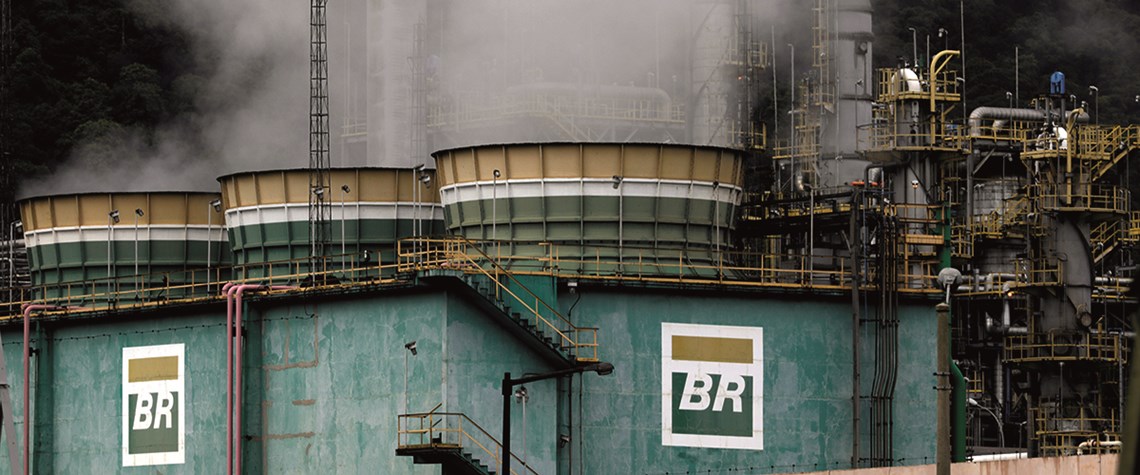
Brazil finding the balance
The country faces key downstream and infrastructure challenges
Efforts to reform Brazil's downstream fuels market illustrate the tension between trying to move away from over-arching state control, but also placate a populace angry after corruption scandals and economic austerity. Under existing law, Petrobras plays the role of the country's sole supplier, but this no longer reflects the on-the-ground reality. Nor is it the part the company, which is actively looking for partnerships at some of its refineries, is keen to play. The supreme federal court is, though, taking a keen interest in the legality of any potential partnership. It's estimated that, to meet Brazil's fuels demand in 2030, an investment of over $10bn in downstream infrastructure would

Also in this section
23 April 2026
The addition of an oil pipeline to the Power of Siberia 2 gas project could ensure deliveries of Russian oil to China, materially shorten logistics lines between West Siberia and final customers, and—amid disruption in the Strait of Hormuz—offer a land-based export route that reduces exposure to maritime chokepoints
23 April 2026
There is a clear push to bolster exports to Asia amid uncertainty around its North American neighbour, but there are limits to the benefits from the energy crisis
23 April 2026
Shell made the play-opening discovery in Namibia’s Orange basin back in 2022, but its next well could decide whether the project can actually be commercialised
22 April 2026
The failure of OMV Petrom’s keenly watched exploration campaign at Bulgaria’s Han Asparuh block highlights the Black Sea’s uneven track record, despite major successes like Neptun Deep and Sakarya


