


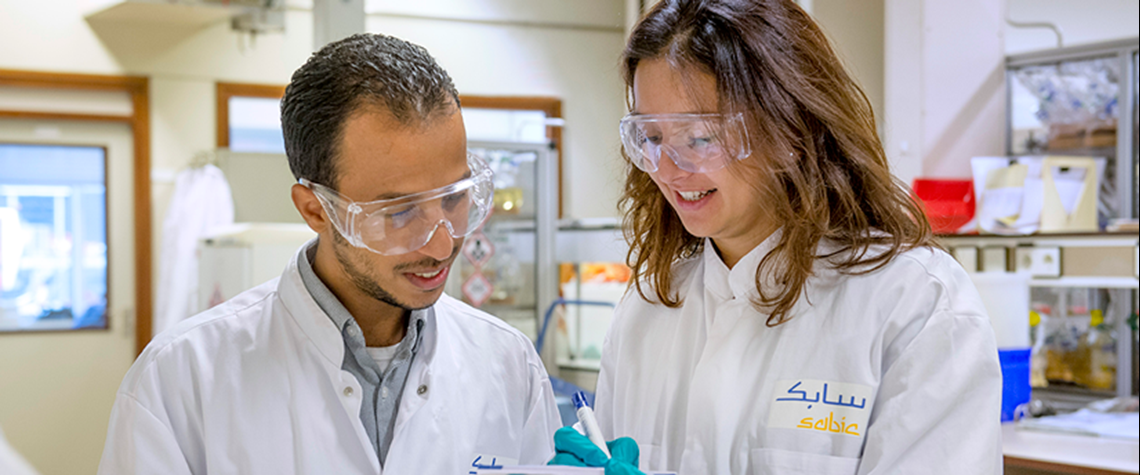
The chemicals industry is the third pillar of Saudi Arabia’s industrialisation strategy
Oil’s finest hour still to come
Chemicals represent both an economic and environmental boon in the energy transition, according to Saudi Arabia’s Sabic and PIF
Saudi Aramco’s SAR259.1bn ($69.1bn) deal, completed in June 2020, to acquire a 70pc share of Saudi chemicals heavyweight Sabic from state investment vehicle the Public Investment Fund (PIF) was one of the biggest corporate transactions globally last year. For the buyer, it offered greater exposure to a key future demand for its core products. But what were the motivations for the seller and for the firm acquired? Petroleum Economist spoke to Yousef al-Benyan, vice-chairman, CEO and investment committee member at Sabic—as well as a chairman of the Gulf Petrochemicals and Chemicals Association and the Petrochemicals Manufacturers Committee—and Yazeed Alhumied, deputy governor of PIF and head o

Also in this section
14 April 2026
The GECF has warned it may revise its projections for demand this year downwards in light of conflict in the Middle East, although it maintains its forecasts for 2027 and onwards
13 April 2026
Petroleum Economist analysis highlights sharp shift from crude oversupply to market deficit, with Iraq and Kuwait badly affected and key producers Saudi Arabia and the UAE also seeing output sharply lower
13 April 2026
Turkmenistan is moving ahead with a modest expansion of the giant Galkynysh field to sustain gas deliveries abroad, but persistent delays to other key pipeline projects and geopolitical risks continue to constrain its export ambitions
13 April 2026
Expensive electricity has forced out swathes of energy-intensive industry and now threatens the country’s ability to attract future investment in datacentres and the digital economy


