


Opec: The rollover
The cuts were extended—but with a built-in escape hatch and implicit threat to other producers
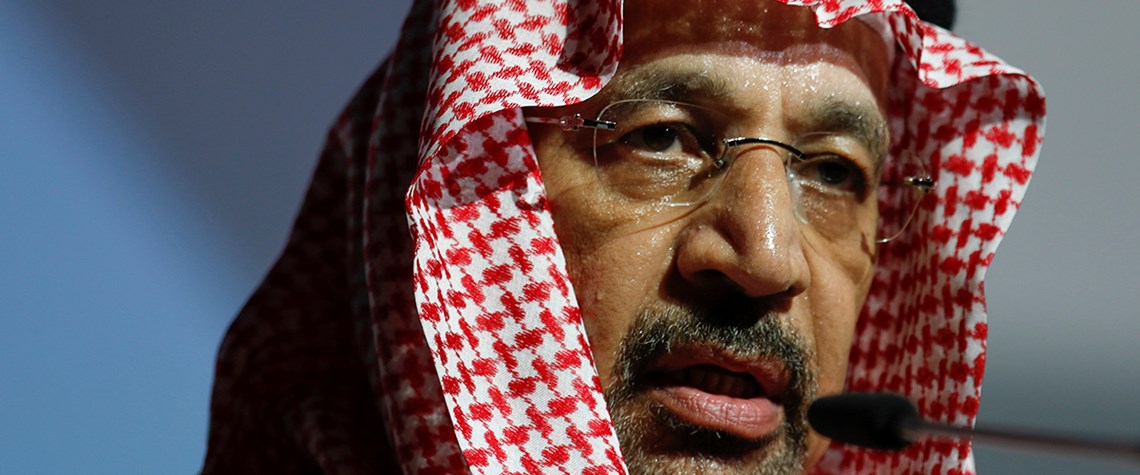
Khalid al-Falih, Saudi Arabia's oil minister, appeared relaxed. A long day of meetings was over and, taking the microphone at the press conference in Vienna on 30 November, he seemed keen to reassert the kingdom's command of the oil market. Saudi Arabia got what it came for in the Austrian capital at the end of November. But Russia's influence was plain. Opec agreed a nine-month extension to the cuts that would otherwise have expired in Q2 2018. It forced Libya and Nigeria to accept a cap on output. The revised deal starts from 1 January 2018 but keeps the cuts, spread across the group and its non-Opec partners, at 1.8m barrels a day. It secures Moscow's cooperation again, dispelling for ano

Also in this section
28 April 2026
Oil traders warning of $200/bl oil are wrong, and the market should be wary of proclamations that the impact of the oil shortage has only begun to be felt and a that a ‘harsh adjustment’ is coming—even for industrialised nations
28 April 2026
Restoring supply from Saudi Arabia, the UAE, Kuwait, Qatar, Bahrain and Iraq involves complexities far beyond simply adjusting operational controls
28 April 2026
Datacentres will guzzle power at a ferocious rate, but the impact on wider energy markets will be far more complex than previously thought
28 April 2026
The key energy player faces balancing regional routes, political complexities, and creating a clear strategic vision for energy security


