


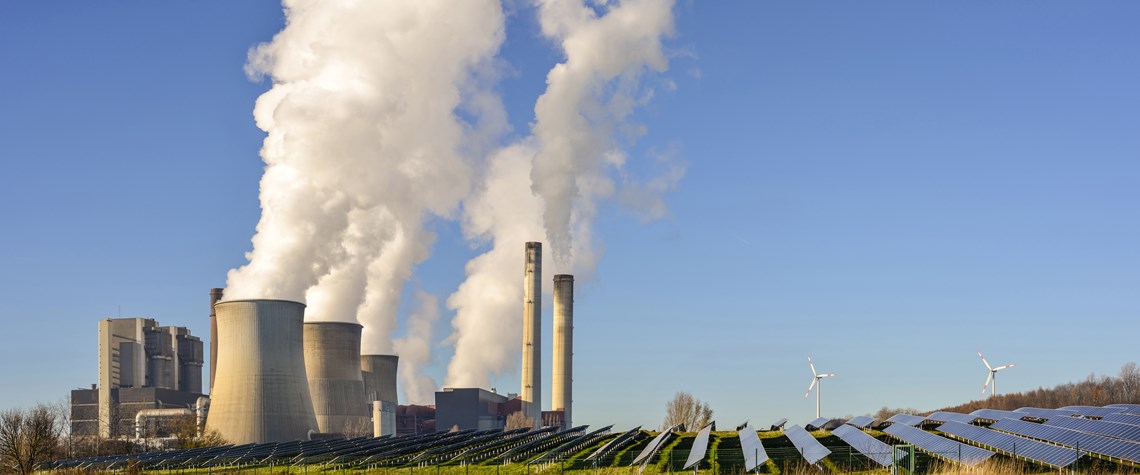
Carbon price drives generating fuel switch
Coal pays for its greater carbon intensity in a rising European CO2 price environment
Calculating the gross profit from a power plant, before the advent of carbon pricing, was a fairly straightforward affair. The difference between the electricity price and the cost of fuel—adjusted for either the thermal efficiency of a particular plant or, for a more generic situation, industry standards for coal and gas-fired stations' efficiency—was all you needed to work out. Since 2005, Europe's power industry has had to pay for a majority of its CO2 emissions and this has triggered a change in profit calculations. It means that coal faces stiffer competition from cleaner-burning natural gas, with the strength of the competition increased by higher CO2 prices and vice versa. The so-call

Also in this section
24 March 2026
It is an unusual story of out with the new and in with the old, as America First Refining shows the US going back to trusted energy security developments
23 March 2026
A complex and sometimes contradictory web of factors that include unpredictable oil prices, the globalisation of LNG markets, the expansion of Middle Eastern sovereign capital and the growth of datacentre demand will shape the energy landscape beyond 2026
23 March 2026
The Strait of Hormuz crisis highlights how key waterways can become global chokepoints
20 March 2026
Attacks on key oil and LNG assets across the Gulf mean a prolonged supply disruption, with damage to Qatar’s export capacity undermining confidence in the global gas system


