


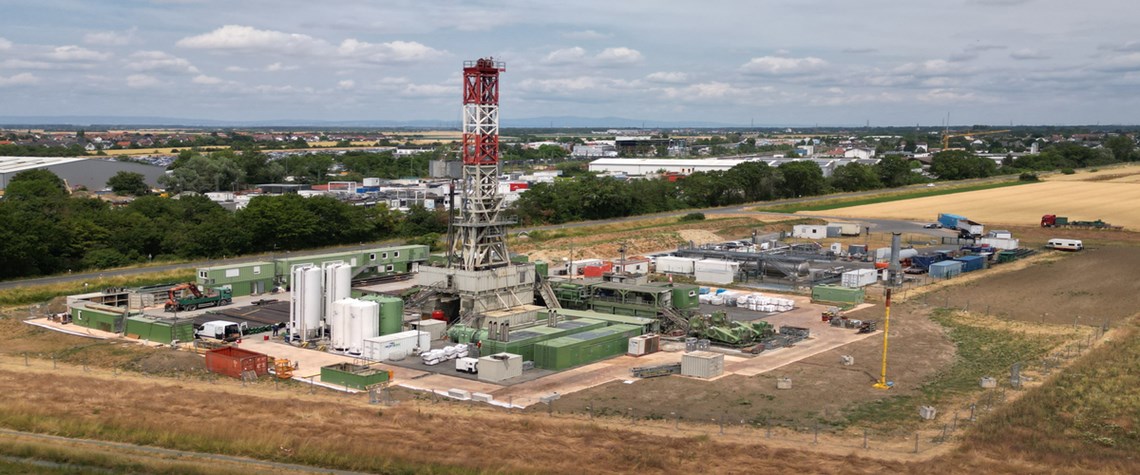
Drilling rig on the Schwarzbach-2(2.) well in the German state of Hessen
Outlook 2024: Germany rethinks its energy strategy amid European energy crisis
The consequences of Russia’s invasion of Ukraine have been particularly significant for Germany
European energy security and energy affordability has been thrust into sharp focus by the Russian invasion of Ukraine and the resulting loss of critical gas supplies that Eastern and Central European countries had come to rely upon. This has also come at a time when Europe was taking steps to respond to the challenges of climate change by making its energy supplies more sustainable by increasing the build-out of renewables, which have not yet been able to replace the need for hydrocarbons. Since the crisis began, supplies of Russian gas, which made up 45% of all gas imports in Europe, have dwindled by as much as 80% (according to the IMF). This sudden negative shift set off a domino effect,

Also in this section
2 April 2026
Alongside a rapid continued build-out of renewables, China’s latest five-year plan stresses the value of domestic hydrocarbon production for energy security and calls for increased Russian gas imports
2 April 2026
The government is taking important steps to revive domestic production, lift investment and benefit from the geopolitical crisis even if more needs to be done in the longer term
1 April 2026
Golden Pass’s startup offers QatarEnergy a timely boost but may also force a difficult choice between honouring disrupted contracts and capitalising on soaring spot LNG prices
1 April 2026
It is not a case of if or when, but the length and magnitude of economic damage from elevated oil prices


