


Canada’s stranded barrels
Without major technology breakthroughs, carbon restrictions will mean a smaller future for the oil sands
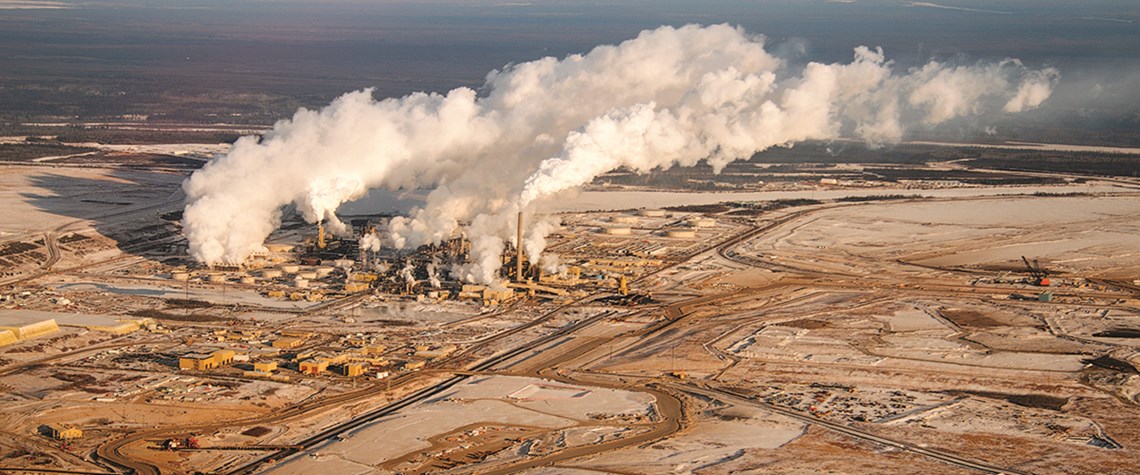
After years of being tarred as an environmental laggard Alberta will do something no other major oil-producer has done: cap carbon emissions from its major asset. From 2017, the oil sands will only be allowed to emit 100 megatonnes a year. The policy is meant to prove that the province is finally getting serious about addressing climate change. Oil sands are the largest and fastest-growing source of green-house gas (GHG) emissions in Canada. Part of the pitch, to the industry at least, was that the emission restrictions would allow for continued output expansion by softening opposition from oil sands critics and helping to win approvals for new pipelines to both coasts and the US. The policy

Also in this section
23 April 2026
The addition of an oil pipeline to the Power of Siberia 2 gas project could ensure deliveries of Russian oil to China, materially shorten logistics lines between West Siberia and final customers, and—amid disruption in the Strait of Hormuz—offer a land-based export route that reduces exposure to maritime chokepoints
23 April 2026
There is a clear push to bolster exports to Asia amid uncertainty around its North American neighbour, but there are limits to the benefits from the energy crisis
23 April 2026
Shell made the play-opening discovery in Namibia’s Orange basin back in 2022, but its next well could decide whether the project can actually be commercialised
22 April 2026
The failure of OMV Petrom’s keenly watched exploration campaign at Bulgaria’s Han Asparuh block highlights the Black Sea’s uneven track record, despite major successes like Neptun Deep and Sakarya


