


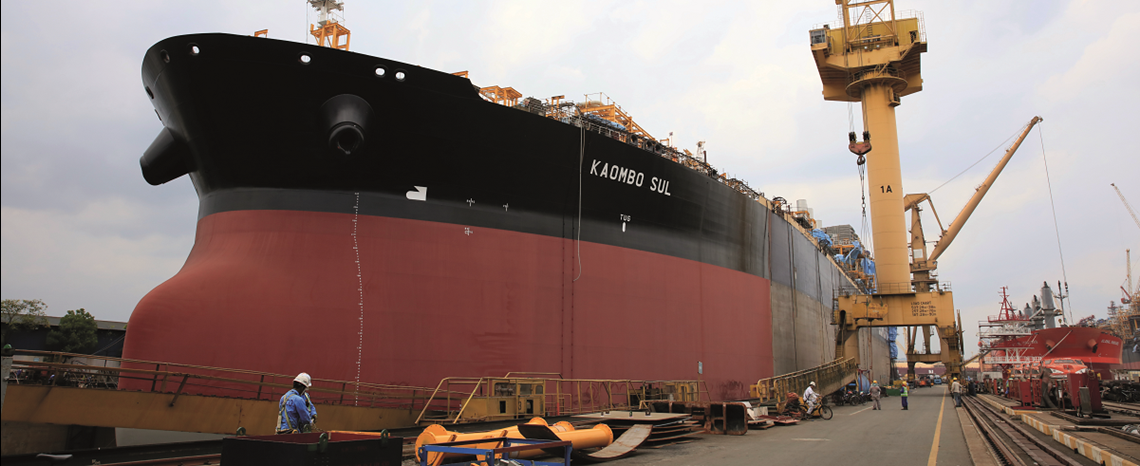
Angolan overhaul: The Kaombo Sul facility scheduled to come on line in 2019 will help offset declining fields
Africa is back on the deep-water agenda
Drillers are starting to renew interest in African projects deemed too costly and risky
Confidence in the sub-Saharan African offshore sector has been boosted by the increasing availability of relatively low-cost floating production, storage and offloading (FPSO) and floating liquefied natural gas (FLNG) facilities. While the industry's successful efforts to cut operating costs during the recent downturn have also helped make African deep-water look a more attractive option. Both Nigeria and Angola, Africa's largest oil producers, are now having at least a modicum of success in revitalising the hydrocarbons sector after several lean years. Shell said in late July it hoped to finalise talks with Nigeria soon on a framework to expand its Bonga deep-water oil field, preparing the

Also in this section
2 April 2026
Alongside a rapid continued build-out of renewables, China’s latest five-year plan stresses the value of domestic hydrocarbon production for energy security and calls for increased Russian gas imports
2 April 2026
The government is taking important steps to revive domestic production, lift investment and benefit from the geopolitical crisis even if more needs to be done in the longer term
1 April 2026
Golden Pass’s startup offers QatarEnergy a timely boost but may also force a difficult choice between honouring disrupted contracts and capitalising on soaring spot LNG prices
1 April 2026
It is not a case of if or when, but the length and magnitude of economic damage from elevated oil prices


