


South Sudan eyes Western oil investment
Decades of civil unrest, a plunge in oil prices and international sanctions have spooked investors. Now the country's oil minister wants to lure them back
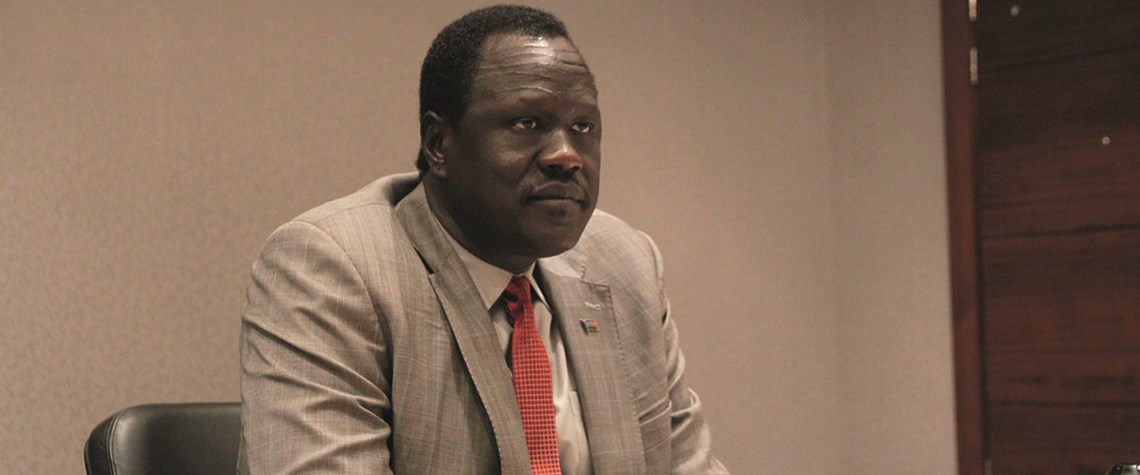
It has been a traumatic birth for the world's youngest nation. Since gaining independence in 2011, South Sudan has been battling civil war, economic disaster, famine and corruption. Seven years on from its split with Sudan, border disputes between the two countries remain a point of serious contention—and a major security risk to operators in the oil industry. In a central London hotel I meet South Sudan's oil minister, Ezekiel Lol Gatkuoth. He is in the capital to catch the onslaught of industry executives who have come to network during International Petroleum Week. He is on a charm offensive to attract upstream investors. "I would like to see BP, ExxonMobil and Chevron—the main players in

Also in this section
2 April 2026
Alongside a rapid continued build-out of renewables, China’s latest five-year plan stresses the value of domestic hydrocarbon production for energy security and calls for increased Russian gas imports
2 April 2026
The government is taking important steps to revive domestic production, lift investment and benefit from the geopolitical crisis even if more needs to be done in the longer term
1 April 2026
Golden Pass’s startup offers QatarEnergy a timely boost but may also force a difficult choice between honouring disrupted contracts and capitalising on soaring spot LNG prices
1 April 2026
It is not a case of if or when, but the length and magnitude of economic damage from elevated oil prices


