


Canadian oil sands compound their image problem
Emission pledges are being rolled back to counter adverse economic conditions, reinforcing a sense the sector is not serious about lowering its carbon footprint
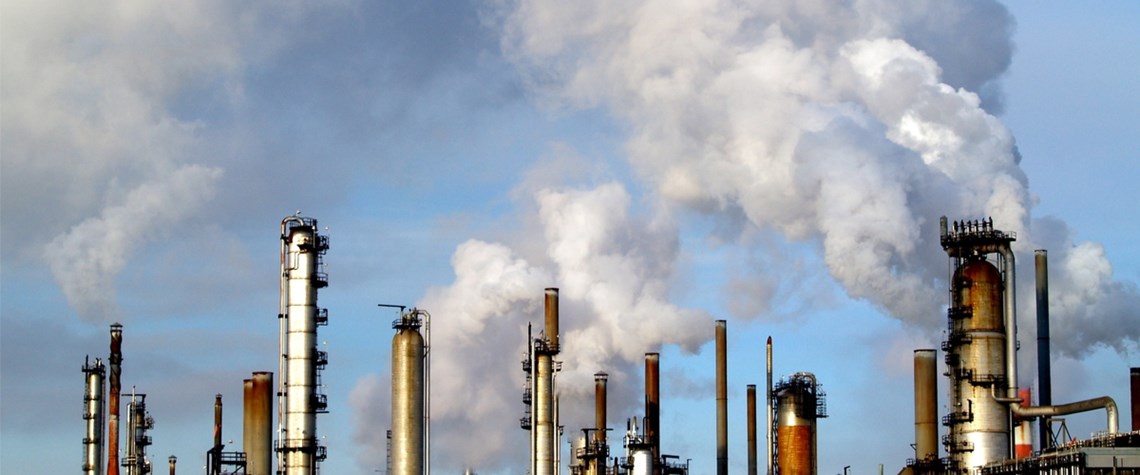
The Canadian oil industry simply cannot shake the ‘dirty oil’ tag. The problem has contributed to an exodus of IOCs from Alberta’s oil sands, a growing financial boycott and opposition to new pipeline projects. In May, US presidential challenger Joe Biden vowed to kill Canadian midstreamer TC Energy’s 830,000bl/d Keystone XL pipeline project if victorious in November. "I have been against Keystone from the beginning,” Biden told a TV news interview. “It is tar sands that we do not need—that in fact is very, very high pollutant.” Critics point to rapidly rising greenhouse gas (GHG) emissions from the oil sands industry making it all but impossible for Canada to meet its Paris Agreement pledge

Also in this section
29 April 2026
The UAE’s exit from the alliance marks a decisive step towards a world in which oil markets are shaped less by collective management and more by national strategy
29 April 2026
Trafigura’s $1b prepayment agreement confirms African resource holders’ renewed interest in oil-backed financing deals as they look to capitalise on high oil prices
29 April 2026
The UAE’s departure from the oil producers’ group was a surprise to many, but the move can be traced back to a single point five years ago
28 April 2026
Oil traders warning of $200/bl oil are wrong, and the market should be wary of proclamations that the impact of the oil shortage has only begun to be felt and a that a ‘harsh adjustment’ is coming—even for industrialised nations


