


Newsletters | Request Trial | Log in | Advertise | Digital Issue   |   Search
  • Upstream
  • Midstream & Downstream
  • Gas & LNG
  • Trading & Markets
  • Corporate & Finance
  • Geopolitics
  • Podcasts
Search
Related Articles
TotalEnergies sticks to winning formula
TotalEnergies is an outlier among other majors for remaining committed to low-carbon investments while continuing to replenish and expand its ample oil and gas portfolio, with an appetite for high risk/high return projects.
Rising costs threaten Mozambique LNG
As security improves, TotalEnergies has other concerns
International firms compete for Uruguayan blocks
The country’s frontier upstream continues to attract interest
Chevron gets back to work in Venezuela
But Washington’s apparent detente with Caracas is unlikely to bolster global crude supplies significantly any time soon
QatarEnergy keeps control
First expansion supply deals illustrate commitment to maintaining its grip of LNG volumes along the value chain
Permian set for growth slowdown
A range of obstacles will hobble further output increases in the Lower 48’s most productive basin heading into 2023
ConocoPhillips nearing Willow FID
Alaska's upstream continues to gain momentum despite environmental concerns
Mozambique upstream progress defies unrest
The east African country continues to attract investment in oil and gas projects, but concerns over security are still impeding developments in the gas-rich north
Exodus from Canada’s oil sands continues
Companies are still fleeing the carbon-heavy assets, despite the industry committing to net-zero emissions by 2050 through the Pathways Alliance
Energy costs hit European refining
Margins narrowed considerably in the third quarter but still remain elevated for the time of year, as the continent continues to adapt following Russia’s invasion of Ukraine
BP Chevron ExxonMobil ConocoPhillips Shell TotalEnergies
Charles Waine
26 March 2020
Follow @PetroleumEcon
Forward article link
Share PDF with colleagues

Majors’ divestment dilemma

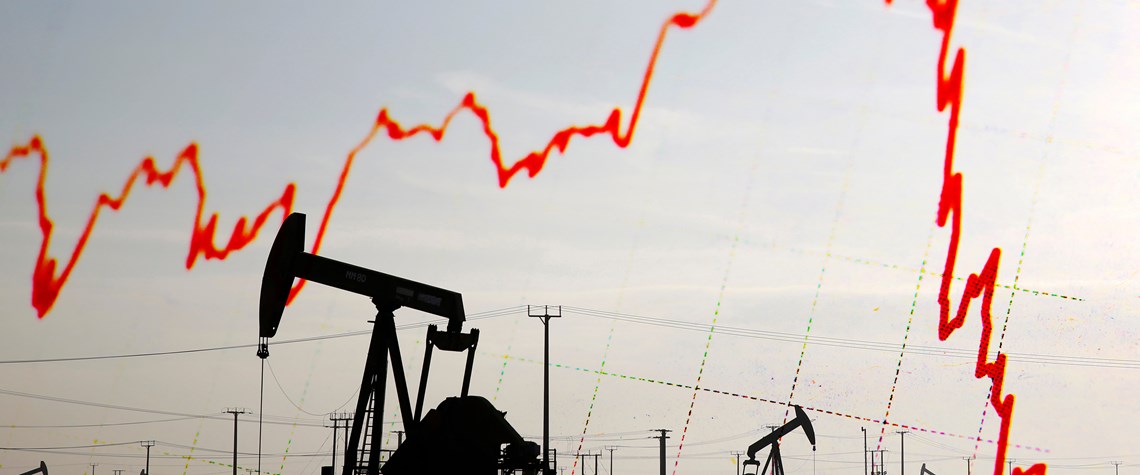
Depressed oil prices are forcing large-cap producers to roll back spending. But will they continue to try to shed non-core assets?

The equity markets had long been in a mood to reward large-cap international oil companies (IOCs) that pledged a very similar diet of capital disciple. Targeted spending in only the projects offering the best returns, lowered costs and cash returned to shareholders were firmly in favour.  And high-grading the portfolio by divesting non-core or high-cost assets was a de rigeur part of the story. But no one expected or planned for an oil price of below $30/bl. Millions of extra barrels of oil have flooded the market in the past few weeks following the collapsed Opec+ talks. And the crisis is being aggravated by the Covid-19 pandemic, which has removed global energy demand on an unprecedented s

Also in this section
Explainer: What do Russia’s oil giants own overseas?
4 December 2025
Time is running out for Lukoil and Rosneft to divest international assets that will be mostly rendered useless to them when the US sanctions deadline arrives in mid-December
Letter from Saudi Arabia: US-Saudi energy ties enter a new phase
Opinion
3 December 2025
Aramco’s pursuit of $30b in US gas partnerships marks a strategic pivot. The US gains capital and certainty; Saudi Arabia gains access, flexibility and a new export future
Letter from London: Oil’s golden triangle
Opinion
2 December 2025
The interplay between OPEC+, China and the US will define oil markets throughout 2026
Libya’s upstream caught between hope and caution
1 December 2025
The North African producer’s first bidding round in almost two decades is an important milestone but the recent extension suggests a degree of trepidation

Share PDF with colleagues

COPYRIGHT NOTICE: PDF sharing is permitted internally for Petroleum Economist Gold Members only. Usage of this PDF is restricted by <%= If(IsLoggedIn, User.CompanyName, "")%>’s agreement with Petroleum Economist – exceeding the terms of your licence by forwarding outside of the company or placing on any external network is considered a breach of copyright. Such instances are punishable by fines of up to US$1,500 per infringement
Send

Forward article Link

Send
Sign Up For Our Newsletter
Project Data
Maps
Podcasts
Social Links
Featured Video
Home
  • About us
  • Subscribe
  • Reaching your audience
  • PE Store
  • Terms and conditions
  • Contact us
  • Privacy statement
  • Cookies
  • Sitemap
All material subject to strictly enforced copyright laws © 2025 The Petroleum Economist Ltd
Cookie Settings
;

Search
