


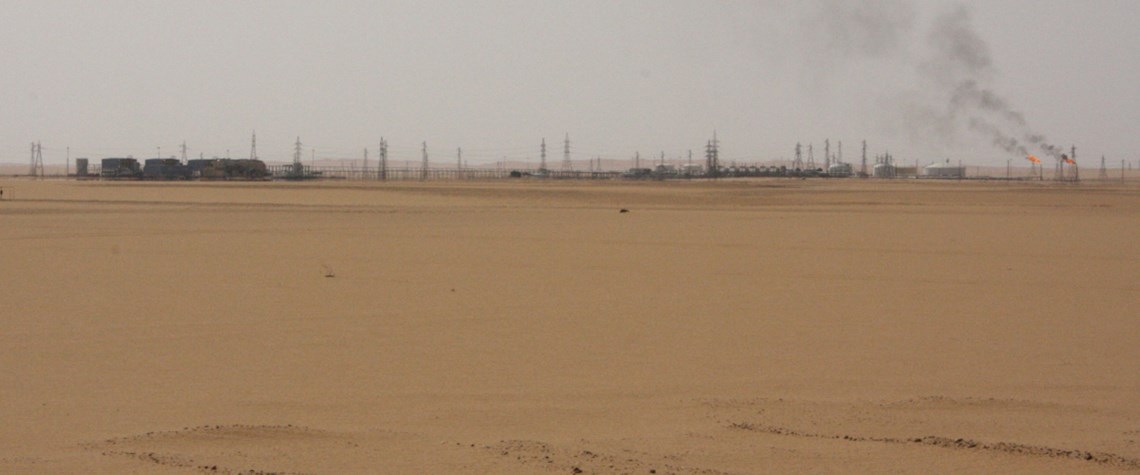
Libya's Sharara field
Surge in Libyan barrels built on shifting sands
The North African producer faces significant challenges in extending, or even maintaining, its jump in output
Libyan oil production has recovered faster than expected after the end of an eight-month blockade of most of its ports and fields. But that recovery rests on shaky foundations. The blockade was imposed in January by Khalifa Haftar, commander of the powerful Libyan National Army (LNA) based in the east of the country. Output plummeted from 1.2mn bl/d to 100,000bl/d as a result, with most of the remaining production from offshore platforms. Haftar imposed the blockade on the grounds that eastern Libya should get a larger share of oil revenues collected by the Tripoli-based Government of National Accord (GNA)—which, as the internationally recognised administration, has title to hydrocarbons rec

Also in this section
2 April 2026
Alongside a rapid continued build-out of renewables, China’s latest five-year plan stresses the value of domestic hydrocarbon production for energy security and calls for increased Russian gas imports
2 April 2026
The government is taking important steps to revive domestic production, lift investment and benefit from the geopolitical crisis even if more needs to be done in the longer term
1 April 2026
Golden Pass’s startup offers QatarEnergy a timely boost but may also force a difficult choice between honouring disrupted contracts and capitalising on soaring spot LNG prices
1 April 2026
It is not a case of if or when, but the length and magnitude of economic damage from elevated oil prices


