


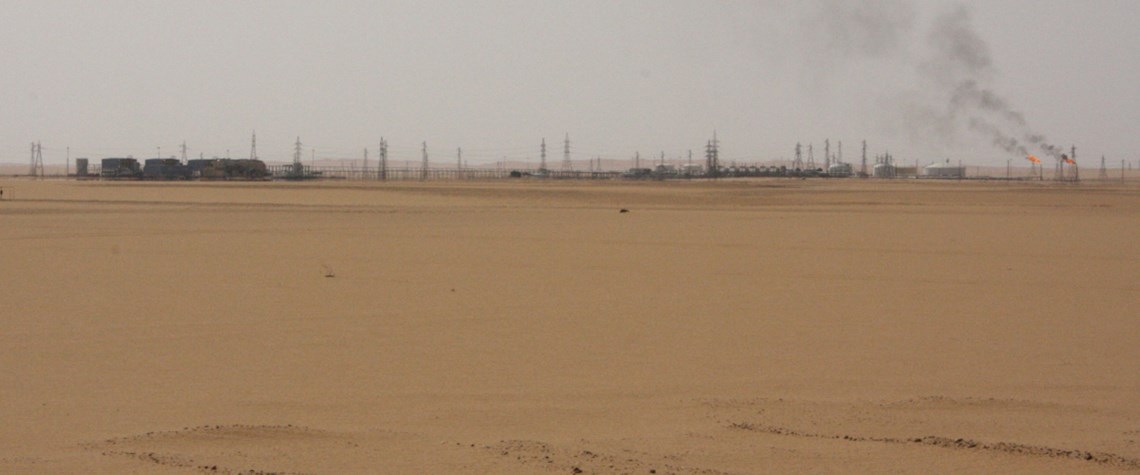
Libya's Sharara field
Surge in Libyan barrels built on shifting sands
The North African producer faces significant challenges in extending, or even maintaining, its jump in output
Libyan oil production has recovered faster than expected after the end of an eight-month blockade of most of its ports and fields. But that recovery rests on shaky foundations. The blockade was imposed in January by Khalifa Haftar, commander of the powerful Libyan National Army (LNA) based in the east of the country. Output plummeted from 1.2mn bl/d to 100,000bl/d as a result, with most of the remaining production from offshore platforms. Haftar imposed the blockade on the grounds that eastern Libya should get a larger share of oil revenues collected by the Tripoli-based Government of National Accord (GNA)—which, as the internationally recognised administration, has title to hydrocarbons rec

Also in this section
23 April 2026
The addition of an oil pipeline to the Power of Siberia 2 gas project could ensure deliveries of Russian oil to China, materially shorten logistics lines between West Siberia and final customers, and—amid disruption in the Strait of Hormuz—offer a land-based export route that reduces exposure to maritime chokepoints
23 April 2026
There is a clear push to bolster exports to Asia amid uncertainty around its North American neighbour, but there are limits to the benefits from the energy crisis
23 April 2026
Shell made the play-opening discovery in Namibia’s Orange basin back in 2022, but its next well could decide whether the project can actually be commercialised
22 April 2026
The failure of OMV Petrom’s keenly watched exploration campaign at Bulgaria’s Han Asparuh block highlights the Black Sea’s uneven track record, despite major successes like Neptun Deep and Sakarya


