


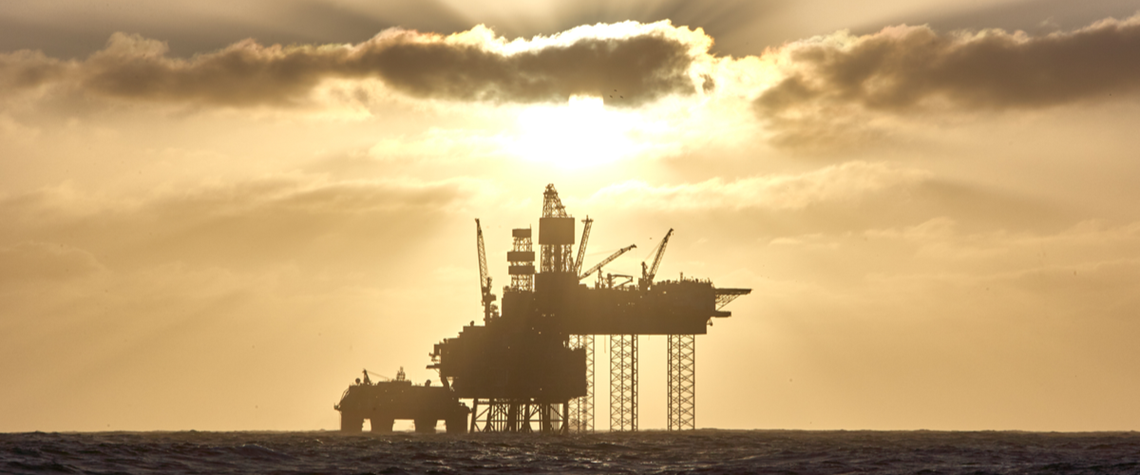
Oil and gas will be needed during the transition to meet energy demand
Outlook 2022: A ‘just’ or ‘just in time’ transition for the UK North Sea?
For over 200 hundred years, the world has relied on fossil fuels for affordable, reliable energy. How does it get to an economy based on greener energy without triggering an adverse reaction?
This year saw dramatic manifestations in the UK of the delicate nature of energy supply and demand. A mere suspicion of potential fuel shortages resulted in panic buying of petrol. And a slew of energy suppliers went bust due to record wholesale gas prices juxtaposed with a government-mandated energy price cap. There are varying schools of thought on how to move forward as we go into 2022. One is to stop investment in fossil fuels immediately and live with the consequences, with any disruption justified to expedite green energy development as a matter of necessity. The other is a more conservative—or perhaps pragmatic, given the underlying market structures—approach, looking at the forecast

Also in this section
2 April 2026
Alongside a rapid continued build-out of renewables, China’s latest five-year plan stresses the value of domestic hydrocarbon production for energy security and calls for increased Russian gas imports
2 April 2026
The government is taking important steps to revive domestic production, lift investment and benefit from the geopolitical crisis even if more needs to be done in the longer term
1 April 2026
Golden Pass’s startup offers QatarEnergy a timely boost but may also force a difficult choice between honouring disrupted contracts and capitalising on soaring spot LNG prices
1 April 2026
It is not a case of if or when, but the length and magnitude of economic damage from elevated oil prices


