


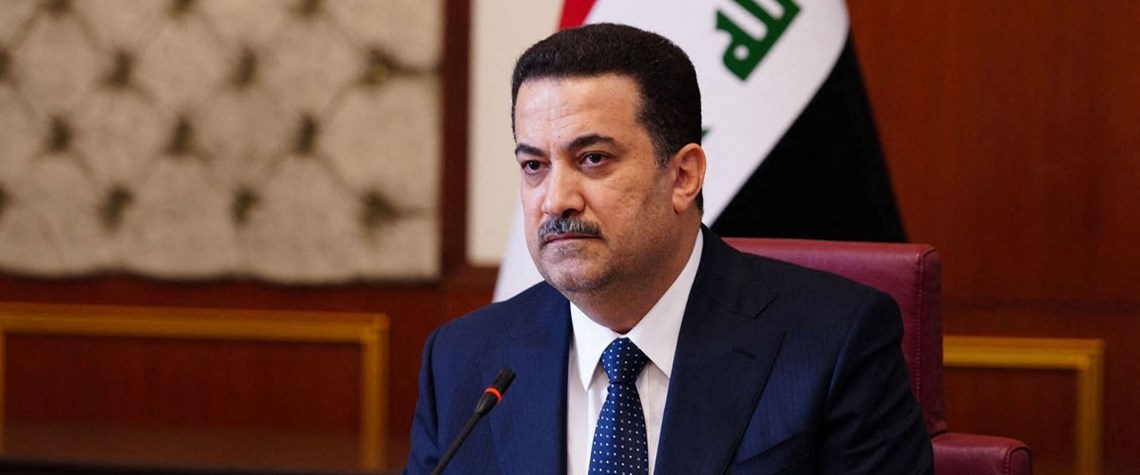
New Iraqi prime minister, Mohammed Shia al-Sudani
Government formation promises relief from Iraq’s upstream stasis
The new administration’s close ties to Tehran could mould its stance towards potential IOC investors
Iraq’s oil sector has been frozen since elections last year, paralysed by the caretaker government’s constitutional inability to make major policy and spending decisions. While rival Mideast Gulf producers and their foreign partners have spent their oil price windfalls on turbocharging upstream development, Baghdad is lagging, even though it is set to end the year with its coffers at their plumpest for nearly 20 years. As a result, the belated appointment of a new government in late October was greeted by the country’s IOC investors with a general sigh of relief. But the sentiment was largely detached from the character of the administration, moulded as it is by a tactical victory after year

Also in this section
13 April 2026
Petroleum Economist analysis highlights sharp shift from crude oversupply to market deficit, with Iraq and Kuwait badly affected and key producers Saudi Arabia and the UAE also seeing output sharply lower
13 April 2026
Turkmenistan is moving ahead with a modest expansion of the giant Galkynysh field to sustain gas deliveries abroad, but persistent delays to other key pipeline projects and geopolitical risks continue to constrain its export ambitions
13 April 2026
Expensive electricity has forced out swathes of energy-intensive industry and now threatens the country’s ability to attract future investment in datacentres and the digital economy
13 April 2026
For GCC producers, the ceasefire may prove more destabilising than the war itself: exports remain constrained, and control over Hormuz has shifted in ways that could endure


