


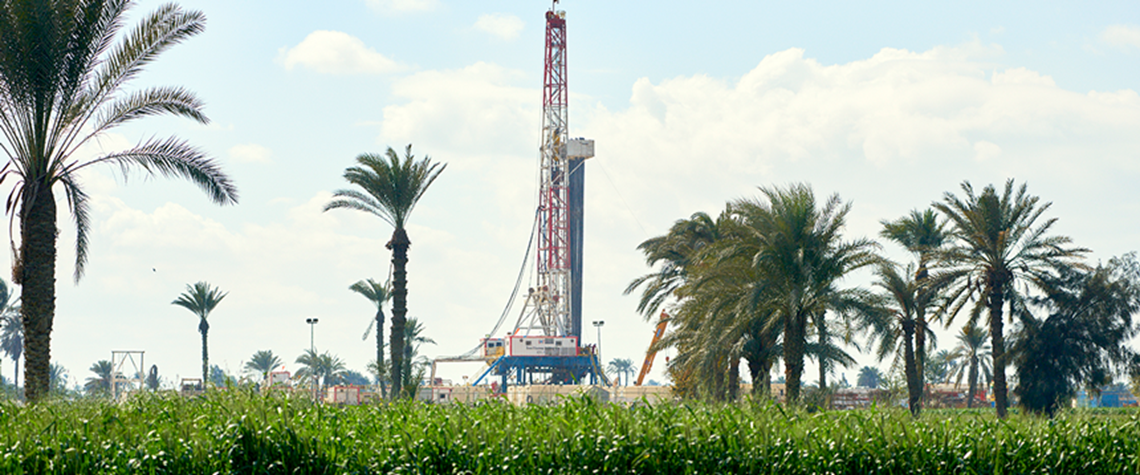
Pharos' operations in Egypt
Pharos benefits from Egypt’s flexibility
The firm’s onshore Western Desert asset allows for rapid optimisation based on the macroeconomic environment
The Covid-driven oil price crash in 2020 could hardly have come at a worse time for the Egyptian business of London-listed Pharos Energy. “We had really only just started to see the benefits flowing through from the drilling that we started when we first acquired [the El-Fayum asset] in the middle of 2019—the production levels were double where they stood when we bought it,” CEO Jann Brown tells Petroleum Economist. “If you think back to March 2020, nobody knew how low it could go, how long would it last,” she continues of that period of deep uncertainty for the industry. “Capitalising on flexibility—the ability to ramp up or down production and activity depending on price and access to liq

Also in this section
9 April 2026
The April 2026 issue of Petroleum Economist is out now!
9 April 2026
Offshore operators are working through an FID backlog as the rig market consolidates, helped by improving project economics and a renewed security drive
2 April 2026
Alongside a rapid continued build-out of renewables, China’s latest five-year plan stresses the value of domestic hydrocarbon production for energy security and calls for increased Russian gas imports
2 April 2026
The government is taking important steps to revive domestic production, lift investment and benefit from the geopolitical crisis even if more needs to be done in the longer term


