


CER assumes the same international crude oil prices as the IEA
Forecasts of oil sands’ demise greatly exaggerated
Canadian regulator the CER’s Global Net-Zero scenario paints a gloomy picture for the oil sands, but the analysis may be fundamentally flawed
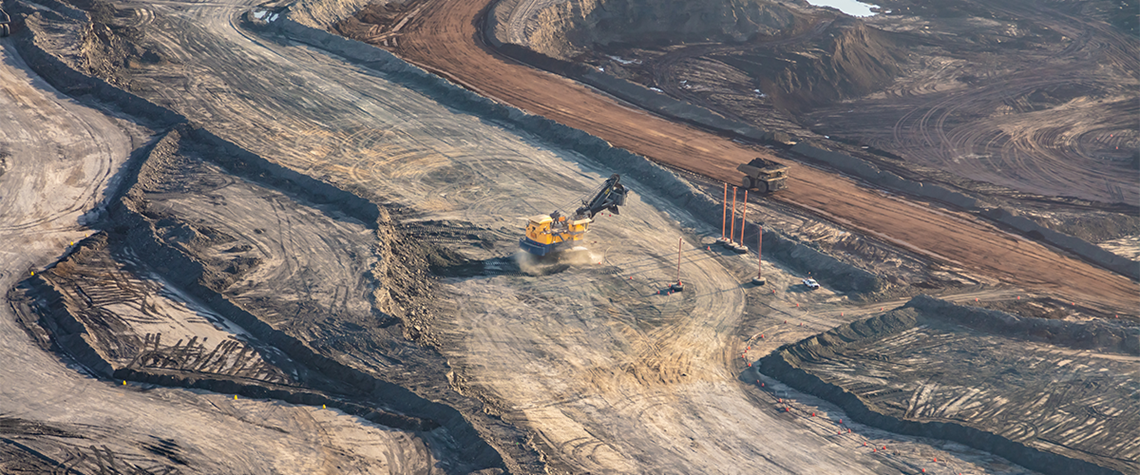
The Canada Energy Regulator (CER) released its annual round of long-term energy scenarios in mid-June, and for the first time provided an outlook for Canadian crude oil production through 2050 under its Global Net-Zero Scenario—one of three scenarios in the Canada’s Energy Future 2023 report and the worst case for the country’s oil industry. Under this scenario, the CER assumes the same international crude oil prices as the IEA in its Net-Zero Emissions by 2050 Scenario in its World Energy Outlook 2022 report—$35/bl in 2030 and $24/bl in 2050 based on 2021 inflation-adjusted dollars—and for Canadian crude oil production to drop by the same 76% as global crude oil production over the 2021–50

Also in this section
24 March 2026
It is an unusual story of out with the new and in with the old, as America First Refining shows the US going back to trusted energy security developments
23 March 2026
A complex and sometimes contradictory web of factors that include unpredictable oil prices, the globalisation of LNG markets, the expansion of Middle Eastern sovereign capital and the growth of datacentre demand will shape the energy landscape beyond 2026
23 March 2026
The Strait of Hormuz crisis highlights how key waterways can become global chokepoints
20 March 2026
Attacks on key oil and LNG assets across the Gulf mean a prolonged supply disruption, with damage to Qatar’s export capacity undermining confidence in the global gas system


