


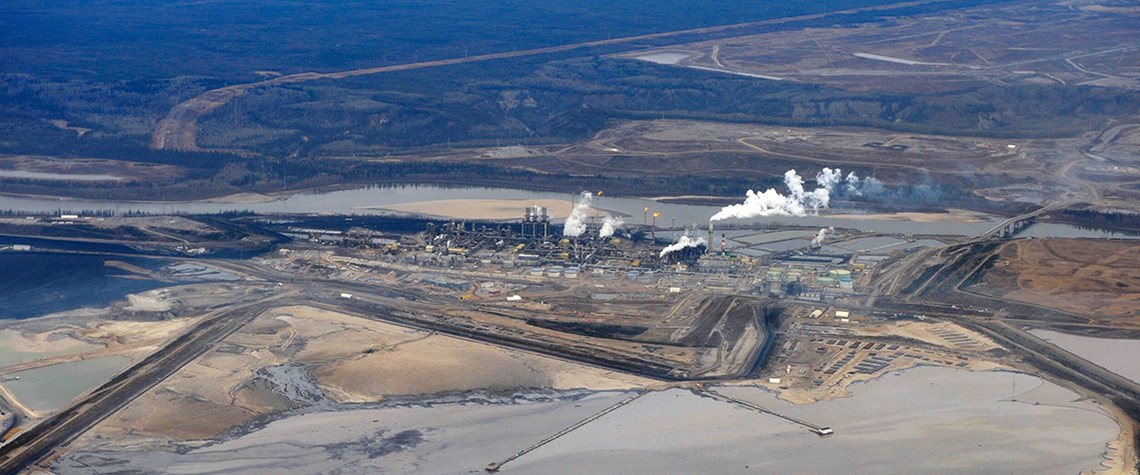
Oil sands projects are long-life and low-decline
Oil sands face uncertain future in post-peak world
The long-term prospects for the sector may depend on the rate of decline in global oil consumption
Supporters and critics of Canada’s oil sands sector are broadly optimistic in their short- and medium-term outlooks, but they diverge sharply when looking further ahead. In the longer term, proponents are optimistic about Opec+ cohesion and crude prices as global oil consumption declines, but others are pessimistic. This leads to differing views on how the federal government should spend its decarbonisation dollars. Petroleum Economist interviewed G. Kent Fellows, a professor at the University of Calgary, and Aaron Cosbey, a senior associate at Winnipeg-based International Institute for Sustainable Development to learn more about these alternate perspectives on how the oil sands industry mig

Also in this section
24 March 2026
It is an unusual story of out with the new and in with the old, as America First Refining shows the US going back to trusted energy security developments
23 March 2026
A complex and sometimes contradictory web of factors that include unpredictable oil prices, the globalisation of LNG markets, the expansion of Middle Eastern sovereign capital and the growth of datacentre demand will shape the energy landscape beyond 2026
23 March 2026
The Strait of Hormuz crisis highlights how key waterways can become global chokepoints
20 March 2026
Attacks on key oil and LNG assets across the Gulf mean a prolonged supply disruption, with damage to Qatar’s export capacity undermining confidence in the global gas system


