S. Korean solar sector resumes legal battle against biomass
Solar industry says biomass subsidies are unconstitutional amid doubts over decarbonisation credentials
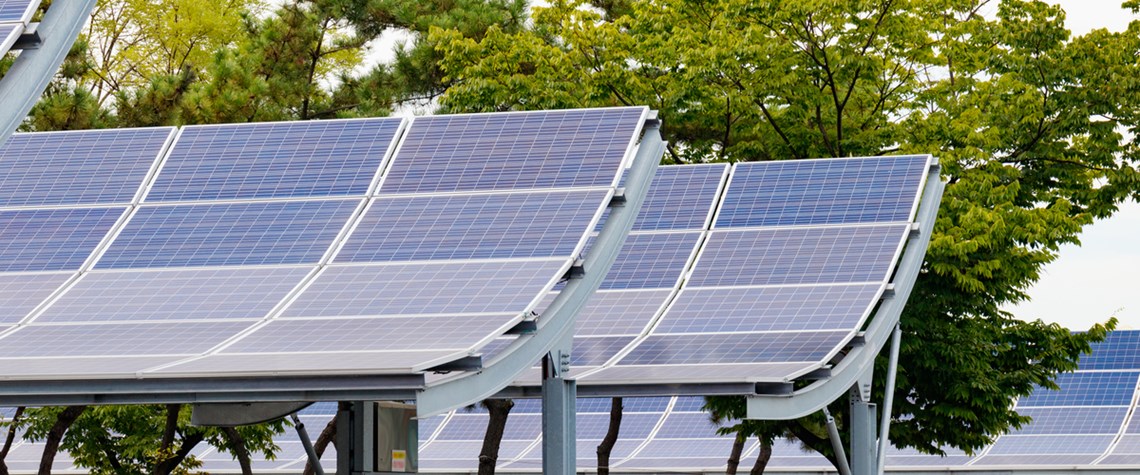
A South Korean lawsuit backed by solar companies alleging that government subsidies for biomass are unconstitutional will be refiled this month after initially being dismissed in 2020. The solar companies, many of which have parks close to the biomass plants, argue that subsidies infringe on their property rights and their right to clean air. Disproportionate funding for biomass makes it harder for solar and wind projects to achieve scale, the plaintiffs argue. “Biomass is not climate neutral” and is subsidised by the South Korean government in an “opaque” manner, says Joojin Kim, managing director of Solutions for Our Climate (SFOC) in Seoul. “We want to clarify this to Korean society.” Som

Also in this section
1 April 2026
Emerging industry must work with policymakers to convince a broader pool of investors to buy into its long-term potential
12 March 2026
Role of world’s largest carbon cap-and-trade market under scrutiny as war in Iran threatens to drive EU energy costs to unsustainable levels
10 March 2026
Europe urgently needs to bring more projects to FID, as CCS investors warn they might divert capital to faster-growing regions
9 January 2026
A shift in perspective is needed on the carbon challenge, the success of which will determine the speed and extent of emissions cuts and how industries adapt to the new environment